Bucharest To Sofia Via Veliko Tarnovo: A Cross-Border Route
The Bucharest to Sofia corridor bends through Veliko Tarnovo, Bulgaria's medieval capital on the Yantra river, and the detour adds a fortress, an old town and a chain of Revival-era villages to a plain cross-border drive.
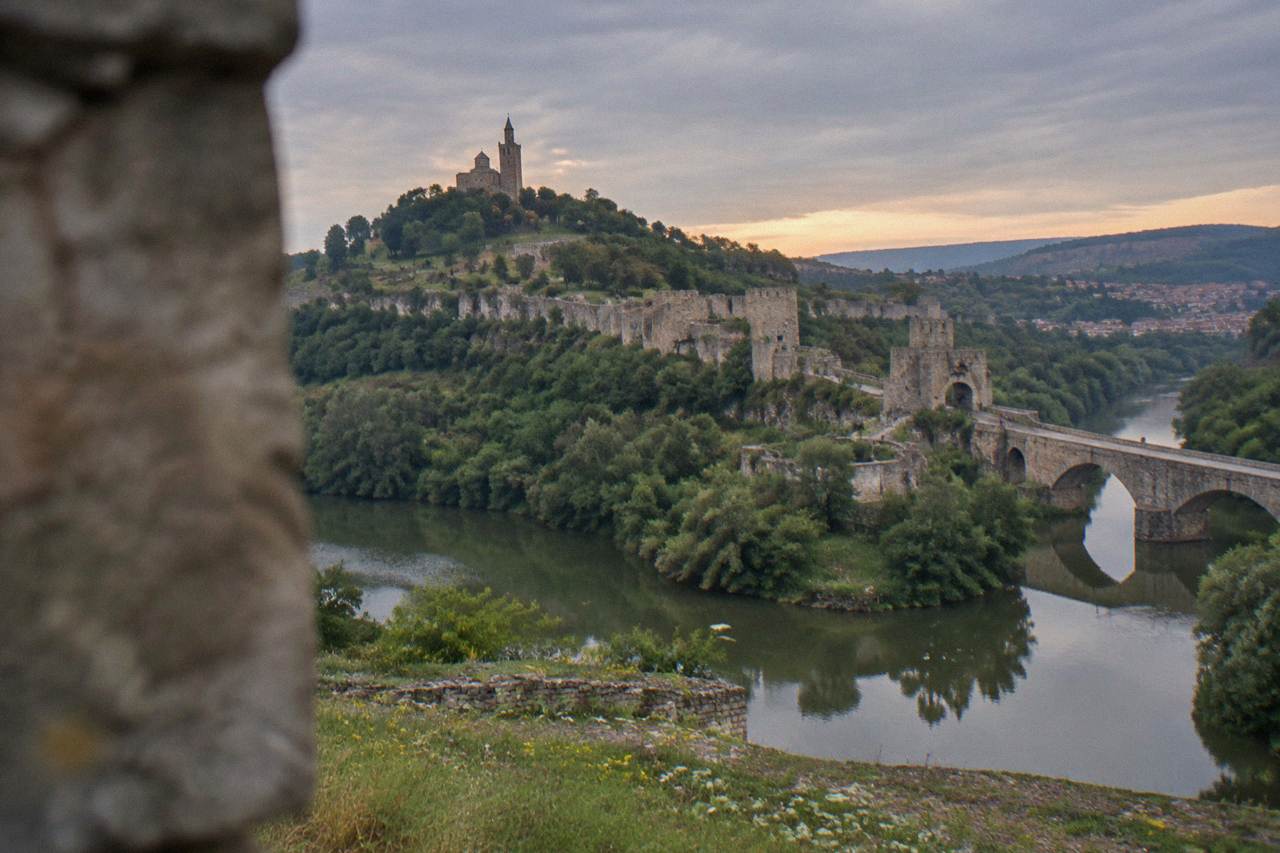
Route Bucharest to Sofia via Veliko Tarnovo in two or three stages: a direct bus of about 3 h 50 min to 4 h 15 min from Bucharest to Veliko Tarnovo, one or two nights in the city, then a bus of about 3 to 3.5 hours or a train of at least 4 h 33 min to Sofia. The whole corridor is about 179 km plus 223 km by road.
Veliko Tarnovo, in Bulgaria, sits almost exactly on the line between Bucharest and Sofia, and that accident of geography turns a routine cross-border transfer into one of the more interesting overland routes in the region. Bucharest lies about 179 road km away and Sofia about 223 km, with the medieval capital of the Second Bulgarian Kingdom wedged between them on the Yantra river. This itinerary lays out the corridor in stages: how to cross from Romania, what to see on an overnight stop, how to continue west, and which detours, from Arbanasi to the Etar museum, fit the middle leg without doubling the distance.
Why Route Bucharest To Sofia Through Veliko Tarnovo?
The route runs Bucharest to Veliko Tarnovo, about 179 road km, then Veliko Tarnovo to Sofia, about 223 road km, and the bend through the city adds the fortress capital of the Second Bulgarian Kingdom to a drive that would otherwise be plain motorway. The city itself is inland, on the Yantra river, with no sea coast, and it served as the capital of the Bulgarian state from the late 12th century to the 14th. Both countries sit in Schengen since 1 January 2025, and Bulgaria has used the euro since 1 January 2026, so the border at Ruse or Giurgiu is a Schengen internal one. The Entry/Exit System has run at all external Schengen borders since 10 April 2026, though it does not apply to travel between Romania and Bulgaria.
For a cross-border traveller the practical case is simple. The direct Bucharest to Sofia corridor passes within reach of the Yantra valley anyway, and the museum city adds a full day of sights, from Tsarevets Fortress to the Varosha old town, that sit minutes off the road. A traveller with two nights can also reach Arbanasi, about 2.8 km straight-line from the centre, and the Revival towns of Tryavna and Bozhentsi further west, both of them on the natural line toward Gabrovo and Sofia.
The route also splits naturally at a rail junction. The Gorna Oryahovitsa station, about 10 km from the centre of Veliko Tarnovo, is where trains from the Romanian and Black Sea side meet the line toward Sofia, so a rail traveller changes there in any case. Building the stop around the city rather than the junction is the difference between a connection and a destination. If you want a broader picture of the city's sights before committing, the site's things to do in Veliko Tarnovo page maps the full set.
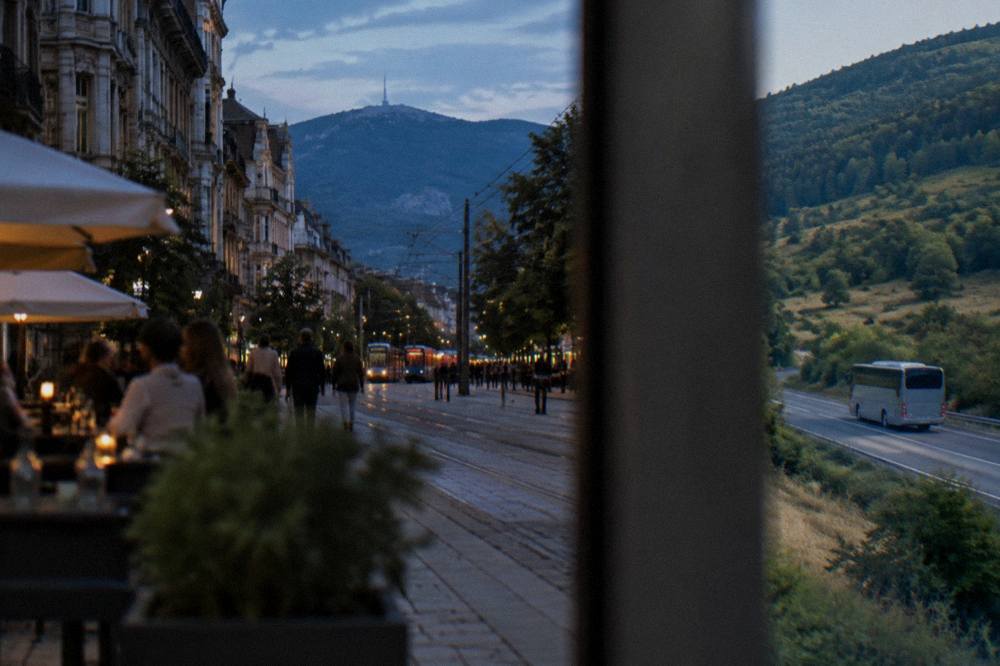
How Do You Travel From Bucharest To Veliko Tarnovo?
Direct buses run Bucharest to Veliko Tarnovo in about 3 h 50 min to 4 h 15 min, arriving at the Yug bus station at 74 Hristo Botev Boulevard in the centre, and that is the fastest published public-transport option on the corridor. There is no scheduled-flight airport at Veliko Tarnovo itself; the Gorna Oryahovitsa airfield has no regular scheduled flights. Bucharest Otopeni airport sits about 205 road km from the centre, and the bus is the practical link from the capital. Train travel between Bucharest and Veliko Tarnovo involves connections that the constraints for this page do not time, so the bus is the leg to plan around.
The border itself is an internal Schengen crossing, which matters for paperwork. Bulgaria has been a full Schengen member since 1 January 2025, with air and sea checks lifted from 31 March 2024, and Romania joined at the same time, so there is no passport stamping between the two. Bulgaria adopted the euro on 1 January 2026 as the 21st euro area member, at a fixed rate of 1.95583 lev per euro, which removes any currency change on the Romanian side of the trip as well.
Two things are worth fixing before departure. First, the bus terminus matters: the Yug station is central, while the Zapad station on Nikola Gabrovski Boulevard serves regional routes, so confirm which one a booking uses. Second, if you are pairing the arrival with a day of guiding rather than self-direction, the small-group day trip from Bucharest to Veliko Tarnovo is the sibling option for travellers starting on the Romanian side, and the itinerary hub for day trips from Bucharest covers the wider set.
What To See In Veliko Tarnovo On An Overnight Stop?
One full day covers Tsarevets Fortress at 7.67 euro for an adult, the Church of the Holy Forty Martyrs at 5.11 euro, the Archaeological Museum at 5.11 euro, and the free public spaces of Samovodska Charshiya, General Gurko Street and the Asenevtsi Monument, with the Sound and Light show free to watch from Tsar Asen I Square on the evenings it runs. The fortress is open daily with no closing day, from 08:00 to 20:00 between April and September and 09:00 to 18:00 in October, and winter hours from 25 October 2026 run entry from 09:00 to 16:00. A family ticket for the fortress is 10.23 euro for parents and up to three children aged 7 to 18.
Curious to hear the stories behind the fortress and the old lanes? Book a guided walking tour.
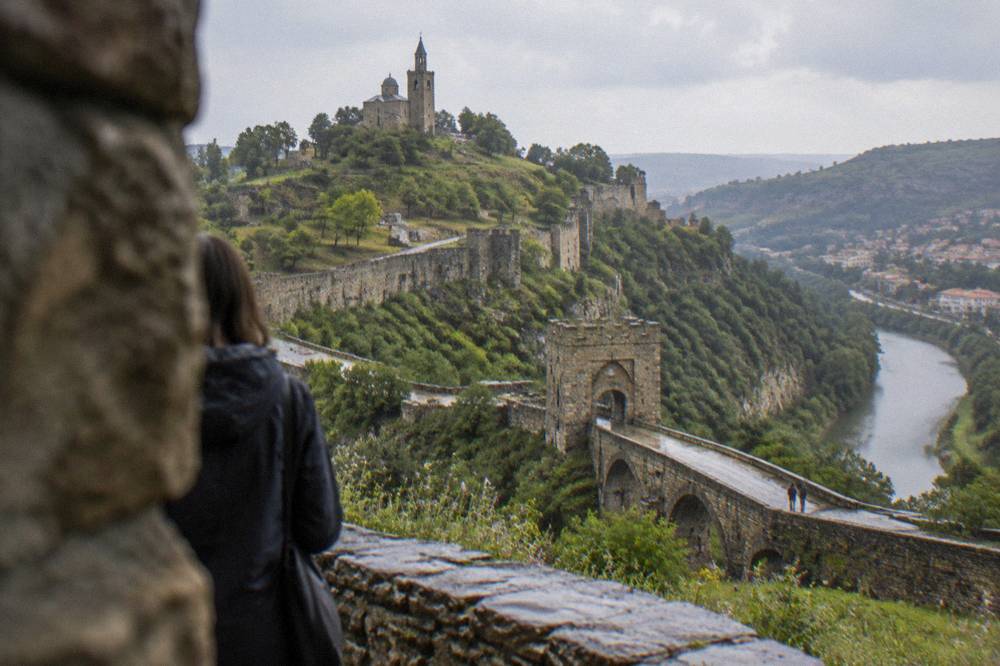
The Forty Martyrs church carries the modern history the fortress cannot: Bulgaria's independence was declared there on 22 September 1908, and the marble victory column of Ivan Asen II inside dates from 1230 and commemorates the Battle of Klokotnitsa. The church is open 09:00 to 18:00 from April to September and 09:00 to 17:00 in October and winter, with a family ticket at 7.67 euro. Between the two hills, the Samovodska Charshiya street and General Gurko Street are free, open public spaces, and the walking tours on the roster are paid products, so budget for a guide only if you want one.
Timing matters more than on a typical city break. The Sound and Light audiovisual show on Tsarevets runs on announced evenings only, with no fixed schedule, and watching from Tsar Asen I Square is free, so check the announced dates on the official show page before planning the night. In winter the closures bite: Trapezitsa is shut from 30 November 2026 to 31 March 2027, its funicular stops on 31 October 2026, and the Museum of New and Newest History is temporarily not accepting visitors. The Sound and Light show page carries the viewing detail, and the one day in Veliko Tarnovo itinerary sequences the same stop for travellers with a single night.
If the stop stretches to two nights, add Arbanasi and the Holy Forty Martyrs Church in the morning and the multimedia visitor centre in the afternoon, or follow the two days in Veliko Tarnovo plan. Arbanasi sits about 2.8 km straight-line from the centre, and the Church of the Nativity there charges 7.67 euro with a family ticket at 12.78 euro, free on the church feast of 25 December 2026. Konstantsalieva House in the same village is open Friday to Sunday only, 10:00 to 16:00, from 30 November 2026 to 20 March 2027.
How Do You Continue From Veliko Tarnovo To Sofia?
The Sofia leg has no direct train: every rail trip changes, usually at Gorna Oryahovitsa about 10 km from the centre, with the fastest journeys on the October 2026 BDZ timetable at 4 h 33 min and 4 h 51 min and the rest taking 6 to 10 hours, so the bus, at about 3 to 3.5 hours with several operators, is the quicker public option. Buses leave from the Yug station side in the centre. The BDZ second-class fare of about 9.82 euro for the Sofia run is a single example, not a fixed price, and timetables change, so check the BDZ site before committing. The road distance is about 223 km.
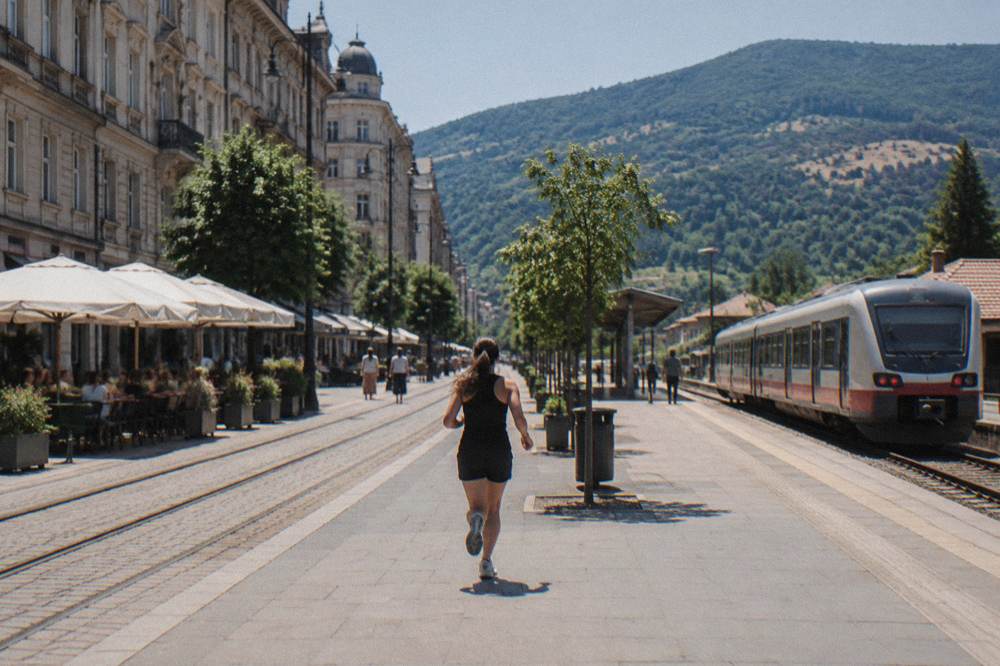
The rail journey is not without appeal, but it should be chosen knowingly. The change at Gorna Oryahovitsa is part of every Sofia routing, and the fastest departures are specific trains at 10:10 and 07:00 rather than a general service level. An alternative worth weighing is the guided option: a day trip from Sofia to Veliko Tarnovo that covers the former capital in a single organised day, useful for travellers who would rather base in Sofia and visit the city than move between hotels. The wider set of day trips from Sofia covers Plovdiv and Ruse as well.
For travellers pairing the two cities with the route in reverse, the corridor is symmetrical. The same buses, the same rail junction and the same distances apply, and the nearest airport to Veliko Tarnovo comparison shows why Sofia and Bucharest Otopeni, about 205 road km, are the two sensible flight gateways for a one-way overland trip. Varna, about 214 road km, works for a triangular route that adds the Black Sea coast, though the city itself is inland and has no coast.
Which Detours Fit The Veliko Tarnovo Leg Of The Route?
The natural detours west of Veliko Tarnovo are Arbanasi at about 2.8 km straight-line, Tryavna at about 42 km, Bozhentsi at about 46 km and the Etar open-air museum at about 53 km, all of them on or beside the line toward Gabrovo and Sofia, with Emen Canyon about 32 km by road to the west as a nature option. Etar is the one with full published figures: it is open all year with no days off, and charges 7.16 euro for an adult, 4.09 euro for a pensioner, 3.07 euro for a pupil or student and 16.87 euro for a family, with children under 7 free. The Etar site's hours are reported only, so check the current opening times on the official page before booking.
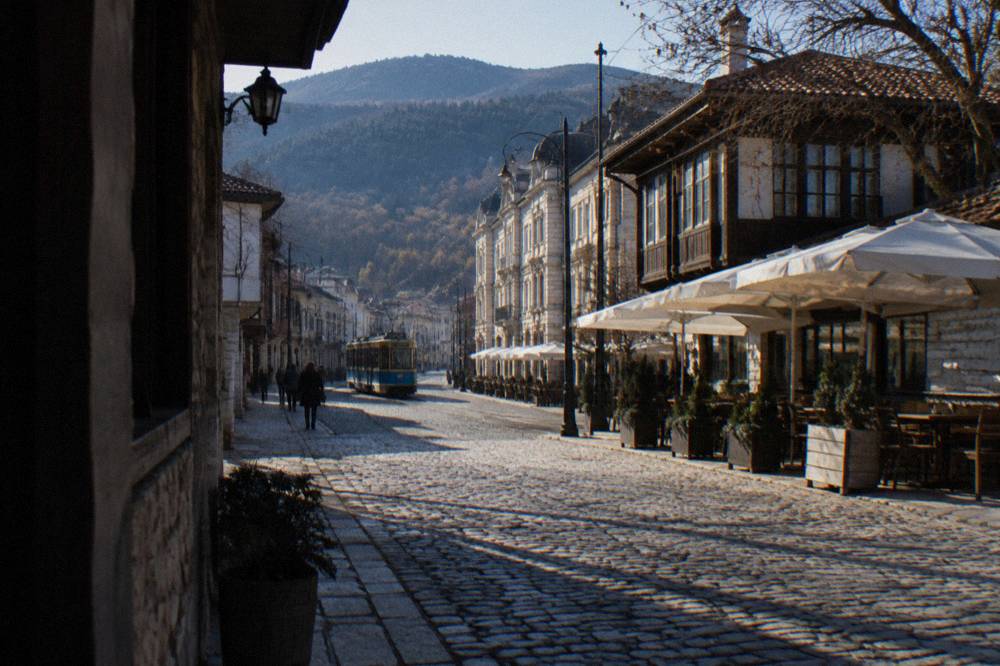
Tryavna and Bozhentsi are Revival-era towns with preserved houses, and both sit close enough to the Sofia corridor that they cost a short deviation rather than a new route. Further afield, Dryanovo Monastery and Bacho Kiro cave lie about 31 and 33 km out respectively, and the same caution applies to their hours. The Etar architectural complex and Tryavna pages collect what is known.
Two detours deserve a special note. Emen Canyon, the gorge of the Negovanka river about 20 km west of the city and 8 km off the Sofia road, has 90 m sheer cliffs at Lower Boaz, per the municipal tourism site, and makes a genuine halfway break on the drive to Sofia. And travellers with a full week should look at the northern Bulgaria road trip instead of this two-city corridor: it chains Ruse, about 105 km, and the Danube plain into one loop and shares several of the same stops.
What Does The Route Cost In Tickets And Entry Fees?
The fixed, published costs on the route are the museum tickets: Tsarevets at 7.67 euro, the Forty Martyrs church, the Archaeological Museum, Trapezitsa and the Prison Museum each at 5.11 euro, the Arbanasi churches and Konstantsalieva House each at 7.67 euro, and the Etar museum at 7.16 euro, while the Asenevtsi Monument, Samovodska Charshiya, Gurko Street, Varosha and watching Sound and Light from Tsar Asen I Square cost nothing. A two-day pass covering 10 museum sites costs 20.45 euro for an individual, valid from 1 April to 30 November, or 25.56 euro for a family. Bus and train fares are not published at fixed levels beyond the 9.82 euro rail example, so check the current price on the official pages before booking.
| Sight | Adult ticket | Family ticket | Summer hours |
|---|---|---|---|
| Tsarevets Fortress | 7.67 euro | 10.23 euro | April to September, daily 08:00 to 20:00 |
| Church of the Holy Forty Martyrs | 5.11 euro | 7.67 euro | April to September, 09:00 to 18:00 |
| Archaeological Museum | 5.11 euro | 7.67 euro | April to October, 09:00 to 18:00 |
| Trapezitsa | 5.11 euro | 7.67 euro | April to September, daily 09:00 to 19:00 |
| Church of the Nativity, Arbanasi | 7.67 euro | 12.78 euro | April to September, 09:00 to 18:00 |
| Konstantsalieva House, Arbanasi | 7.67 euro | 12.78 euro | April to September, 09:00 to 18:00 |
The two-day pass deserves a close look for this specific itinerary. It runs 20.45 euro individually and 25.56 euro for a family, valid from 1 April to 30 November, and covers 10 museum sites in the Regional Museum of History network, which is more than a two-night stop can absorb. Outside that validity window the individual tickets above are the only published route. Children under 7 enter free at the museum sites, as do people with permanent disabilities with an assistant, and organised school groups from the municipality enter free by written request. The rest of the planning pages sit on Veliko Tarnovo Travel Guide.
When Is The Best Time To Drive Bucharest To Sofia Via Veliko Tarnovo?
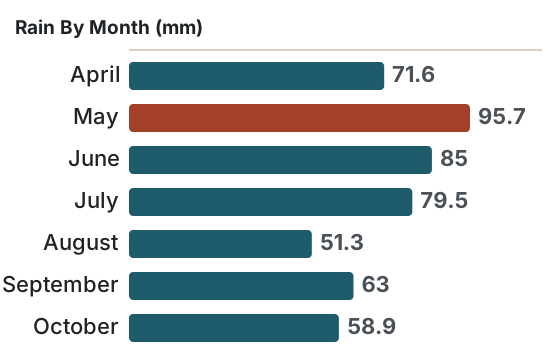
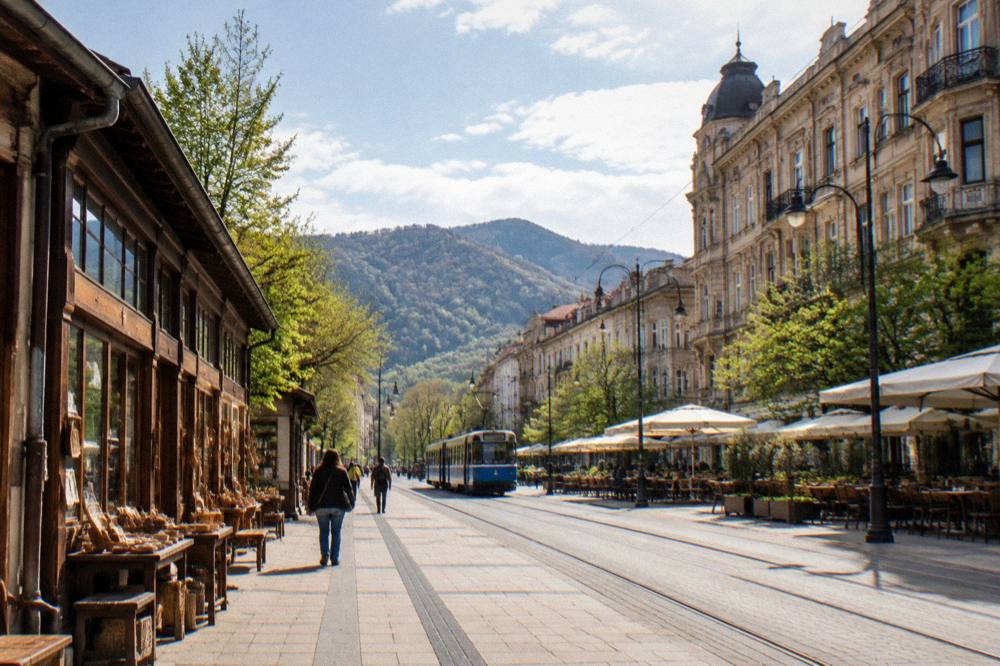
The corridor is at its warmest and busiest-sighted from late April through September, when the ERA5 reanalysis, 1991 to 2020, puts the mean daily high at 21.7 C in May, 25.4 C in June, 27.6 C in July and 28.1 C in August, and every museum site on the route runs its summer hours, while winter cuts the hours on 25 October 2026 and closes Trapezitsa entirely from 30 November 2026. Rain peaks in May at 95.7 mm on the same reanalysis and bottoms out in August at 51.3 mm, so late summer is the driest window for the driving legs.
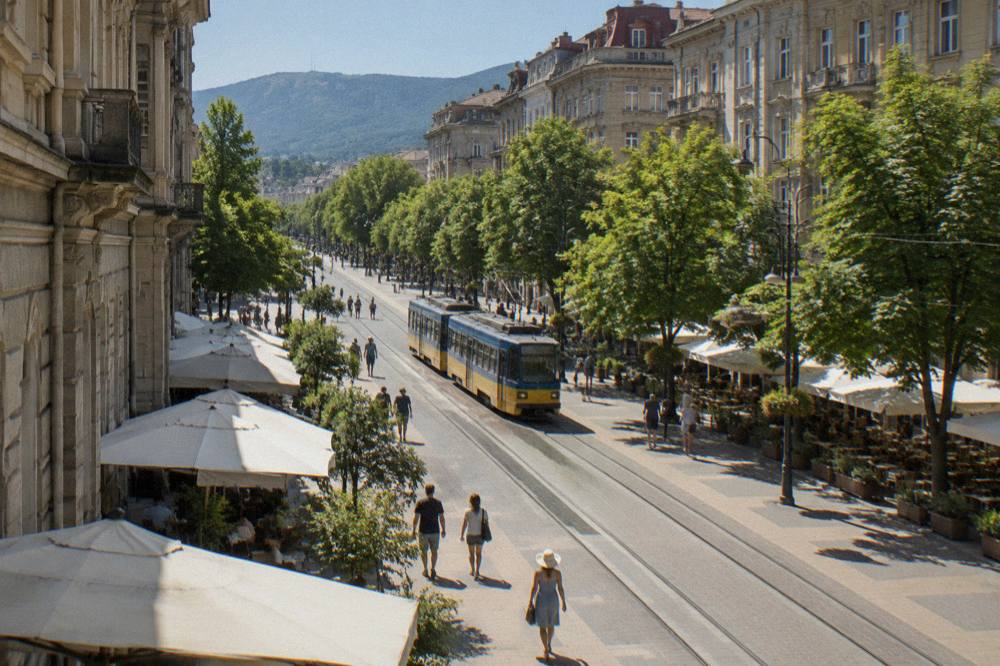
The winter case is real but narrower. January's mean daily high is 4.9 C and its mean daily low is -3.8 C on the same modelled normals, and the museum calendar contracts: winter hours start on 25 October 2026, the Trapezitsa funicular stops on 31 October, Trapezitsa itself closes from 30 November 2026 to 31 March 2027, and Konstantsalieva House drops to Friday to Sunday only. Tsarevets stays open daily through the winter, which keeps a short cold-weather stop viable, and the Veliko Tarnovo in winter page sequences exactly that visit.
Two calendar anchors sit on this corridor in summer. The International Folklore Festival in Veliko Tarnovo ran 18 to 25 July in 2026 as its 28th edition, and the Arbanasi Summer Music chamber festival ran 15 to 25 July 2026 in the village's medieval churches, so a late-July stop can catch both. The Christmas market in Marno Pole park follows a late-November-to-1-January pattern, with 2026 dates not yet announced, so check the municipal announcements before planning a December crossing.
| Month | Mean daily high | Mean daily low | Rain |
|---|---|---|---|
| April | 16.9 C | 6.0 C | 71.6 mm |
| May | 21.7 C | 11.1 C | 95.7 mm |
| June | 25.4 C | 15.1 C | 85.0 mm |
| July | 27.6 C | 17.2 C | 79.5 mm |
| August | 28.1 C | 17.1 C | 51.3 mm |
| September | 23.3 C | 12.9 C | 63.0 mm |
| October | 17.6 C | 8.0 C | 58.9 mm |
The figures are modelled normals from the ERA5 reanalysis for the 1991 to 2020 period, a grid cell near central Veliko Tarnovo rather than a weather-station record, and they describe the corridor's mid-point rather than either capital. For the crossing itself, the two borders that matter, Romania into Bulgaria and none thereafter, are internal Schengen, so weather rather than paperwork is the seasonal variable. US, UK, Canadian and Australian citizens are reported visa-free for 90 days in any 180; official sources carry the entry detail.
How Should You Stage The Whole Bucharest To Sofia Trip?
A three-stage plan works best: day one, the direct bus from Bucharest of about 3 h 50 min to 4 h 15 min plus an afternoon in Varosha and on Gurko Street, both free; day two, a full day inside Tsarevets, the Forty Martyrs church and the Archaeological Museum, with the Sound and Light show from Tsar Asen I Square if a performance is announced; day three, the morning in Arbanasi and the afternoon bus of about 3 to 3.5 hours to Sofia. Travellers with a fourth day should insert Tryavna or Etar between the city and the capital. The three days in Veliko Tarnovo itinerary expands the middle block.
| Stage | Route | Published figure |
|---|---|---|
| Stage 1 | Bucharest to Veliko Tarnovo by direct bus | about 3 h 50 min to 4 h 15 min |
| Stage 2 | Bucharest Otopeni airport to Veliko Tarnovo centre | about 205 road km |
| Stage 3 | Veliko Tarnovo to Sofia by bus | about 3 to 3.5 hours |
| Stage 4 | Veliko Tarnovo to Sofia by train, changing at Gorna Oryahovitsa | fastest 4 h 33 min and 4 h 51 min |
| Stage 5 | Veliko Tarnovo to Sofia road distance | about 223 km |
| Stage 6 | Veliko Tarnovo to Bucharest road distance | about 179 km |
Booking order matters on this corridor. Fix the Bucharest bus and the Sofia leg first, since these are the constrained moving parts, then the hotel nights, then the museum tickets, which are all buyable on the day at the museum's own ticket pages. The guided alternative, a small-group tour from Sofia covering Veliko Tarnovo and Arbanasi, sits on the tour page and can anchor the whole middle of the trip from the Sofia end: Check availability. Its tour page on this site, From Sofia: Veliko Tarnovo and Arbanasi, describes what the day covers.
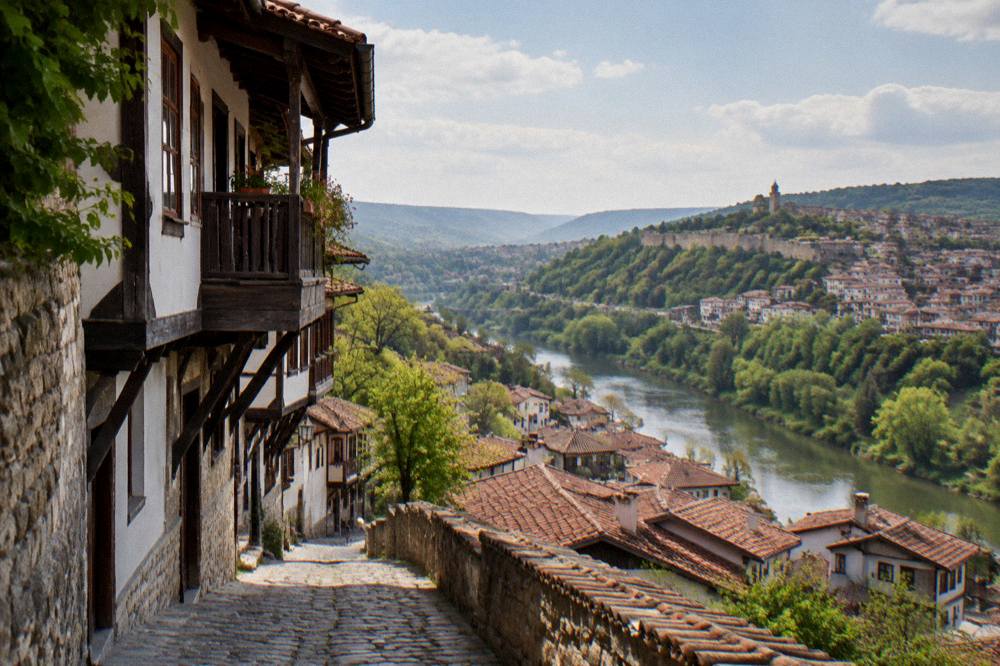
One practical note closes the planning. Keep the emergency number 112 in mind for both countries, keep the euro as the single currency for the Bulgarian half, and remember that the museum city sits at 220 m elevation with a continental climate: pack for the month, not the latitude. The route rewards the unhurried version, and the medieval capital in the middle is the reason to take it.
Common Questions About The Bucharest To Sofia Route Via Veliko Tarnovo
Is There A Direct Train From Bucharest To Sofia Via Veliko Tarnovo?
This page's constraints carry no train timing for Bucharest to Sofia. The published figures cover the two halves separately: direct buses from Bucharest to Veliko Tarnovo take about 3 h 50 min to 4 h 15 min, and Veliko Tarnovo to Sofia has no direct train at all, with changes at Gorna Oryahovitsa and fastest journeys of 4 h 33 min and 4 h 51 min on the October 2026 timetable. Check the BDZ timetable for the through options before booking.
How Many Days Should The Bucharest To Sofia Route Take?
Three days is the working minimum for a comfortable version: one travel day from Bucharest, one full sightseeing day in Veliko Tarnovo, and one transfer day to Sofia with an optional Arbanasi stop. A fourth day allows Tryavna, Bozhentsi or the Etar open-air museum on the western leg. The one-day and two-day itineraries on this site can be dropped into the middle of the route as they are.
Do You Need To Change Money Between Romania And Bulgaria?
No. Bulgaria adopted the euro on 1 January 2026 as the 21st euro area member, at a fixed rate of 1.95583 lev per euro, and Romania's currency situation aside, the Bulgarian half of the trip runs entirely in euro. Museum tickets on the route are printed in euro, such as the 7.67 euro Tsarevets entry, and no lev price should be quoted anywhere.
Is There A Border Check Between Bucharest And Veliko Tarnovo?
The crossing is an internal Schengen border. Bulgaria has been a full Schengen member since 1 January 2025, with air and sea checks lifted from 31 March 2024. The Entry/Exit System has run at all external Schengen borders since 10 April 2026, but it applies to external crossings, not to travel between Romania and Bulgaria.
Can You Fly Into Veliko Tarnovo Instead Of Bussing?
No airport with scheduled flights serves the city, and the Gorna Oryahovitsa airfield has no regular scheduled flights. Travellers fly into Bucharest Otopeni, about 205 road km away, Sofia, about 223 km, or Varna, about 214 km, and complete the route by road or rail.
What Is Free In Veliko Tarnovo On The Stopover?
The free list is the Asenevtsi Monument, Samovodska Charshiya, General Gurko Street, the Varosha quarter, watching the Sound and Light show from Tsar Asen I Square on the evenings it runs, and the Church of the Nativity in Arbanasi on 25 December 2026. Children under 7 also enter the museum sites free.