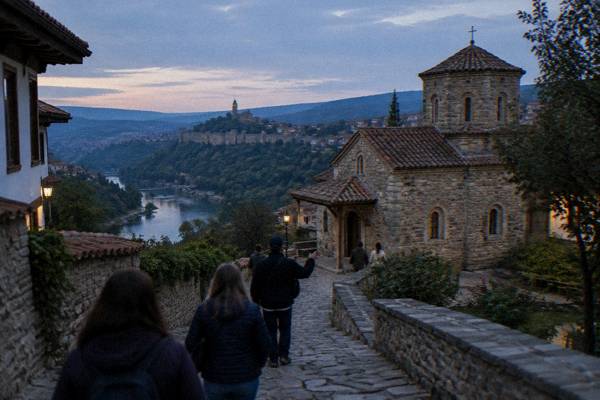
What Is Bulgaria Most Famous For?
Bulgaria is famous for its medieval capital Veliko Tarnovo, the rose valley, rakiya and yogurt, and two UNESCO sites from 1979. A plain-answer guide from the Veliko Tarnovo Travel Guide.
Bulgaria is famous for its medieval capital Veliko Tarnovo, an inland city on the Yantra river where the Second Bulgarian Kingdom had its seat for more than two centuries, from the late 12th century to the 14th. Around that core sit the other things the country is known for: the rose valley around Kazanlak, rakiya and yogurt on the table, the Cyrillic alphabet, and two UNESCO World Heritage Sites inscribed in 1979. Since 1 January 2026 the country also uses the euro, and it has been a full Schengen member since 1 January 2025. This page walks through each of those claims in plain terms, anchored in the city that was the capital, with more background in what Veliko Tarnovo is famous for.
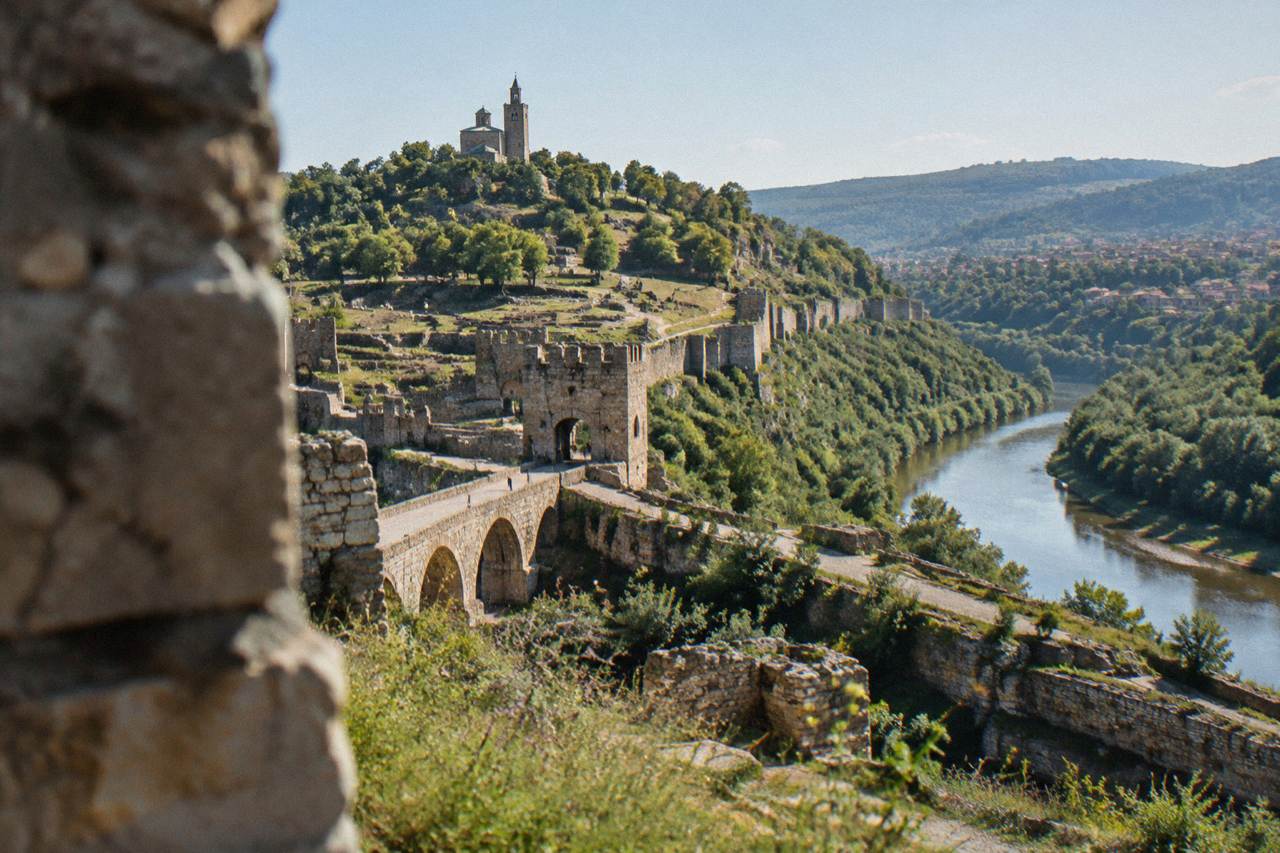
Bulgaria is most famous for its medieval kingdom and its capital Veliko Tarnovo, where Tsarevets Fortress, the Patriarchal Cathedral, Trapezitsa and the Sound and Light show sit on the hills above the Yantra river. Beyond the medieval core, the country is known for the Kazanlak rose valley, rakiya and yogurt, the Cyrillic alphabet, and the Rock-Hewn Churches of Ivanovo and the Thracian Tomb of Kazanlak, both UNESCO World Heritage Sites since 1979.
That is the short answer. The longer one starts with the 1185 to 1186 uprising of Asen and Peter, which restored the Bulgarian state and made this city its metropolitan centre, per the Regional Museum of History's own page for Tsarevets. The kingdom fell to the Ottomans in 1393, the Tarnovo Constitution followed in 1879, and Bulgaria's independence was declared on 22 September 1908 at the Church of the Holy Forty Martyrs in Veliko Tarnovo, not on Tsarevets itself, a distinction the national celebrations make clear every year.
One correction worth making early: nothing in Veliko Tarnovo itself is a UNESCO World Heritage Site or on the Tentative List. The nearest inscribed sites are the Rock-Hewn Churches of Ivanovo and the Thracian Tomb of Kazanlak, both from 1979, and the Roman ruins of Nicopolis ad Istrum, about 20 km north of the city, have been on the Tentative List since 1984. The question of whether there is anything worth seeing in Bulgaria is answered quickly: yes, and a good deal of it is within a day trip of the old capital.
| What Bulgaria is known for | The concrete anchor | Where it sits |
|---|---|---|
| The medieval kingdom | Capital at Veliko Tarnovo, late 12th to 14th century | Tsarevets, Trapezitsa, the Forty Martyrs church |
| Independence, 22 September 1908 | Manifesto read at the Church of the Holy Forty Martyrs | Veliko Tarnovo |
| UNESCO heritage | Rock-Hewn Churches of Ivanovo and Thracian Tomb of Kazanlak, both 1979 | Near Ruse, and Kazanlak |
| The rose valley | Rose Festival culmination 4 to 6 June 2027, reported | Kazanlak, about 98 km away |
| The modern state | Euro since 1 January 2026, Schengen since 1 January 2025 | Nationwide |
Why The Medieval Capital In Veliko Tarnovo Leads The Answer?
Veliko Tarnovo leads the answer because it was the capital of the Second Bulgarian Kingdom for more than two centuries, and its hills still carry the state's main monuments: Tsarevets with the Patriarchal Cathedral, Trapezitsa across the river, and the Asenevtsi Monument to the dynasty that restored the state in 1185 to 1186. The Regional Museum of History's ticket page puts adult entry to Tsarevets at 7.67 euro.
The fortress is the single object people picture when they picture Bulgaria's medieval past, and it is the country's most recognisable historic site. Reported attendance backs that up: the museum's figures give 209,875 visitors to Tsarevets in 2025. The site is open daily, April to September from 08:00 to 20:00, with winter hours starting on 25 October 2026, and a family ticket at 10.23 euro covers parents and up to three children aged 7 to 18. Across the Yantra, Trapezitsa charges 5.11 euro but closes entirely from 30 November 2026 to 31 March 2027, and its funicular stops for the season on 31 October 2026.
The city wraps these hills rather than rebuilding over them. Samovodska Charshiya, General Gurko Street and the Varosha quarter are free, open public spaces, and Arbanasi village sits about 2.8 km straight-line from the centre. If the question behind the question is which castle to see, the answer is Tsarevets, and the deeper story of the old capital of Bulgaria is this city's story.
The walking tours on the roster are paid products, and a guided one is a reasonable way to carry the medieval story between the hills: the Check availability link beside the Guided Walking Tour of Veliko Tarnovo shows the current details on the tour page.
Roses, Rakiya And The Table: What Is Bulgaria Famous For In Food?
Bulgaria is famous for the Kazanlak rose valley and its rose oil, for rakiya as the national fruit brandy, and for yogurt and banitsa as everyday staples. The Rose Festival in Kazanlak culminates 4 to 6 June 2027, per the reported announcement, and Kazanlak's Thracian Tomb, inscribed by UNESCO in 1979, sits about 98 km from Veliko Tarnovo by road.
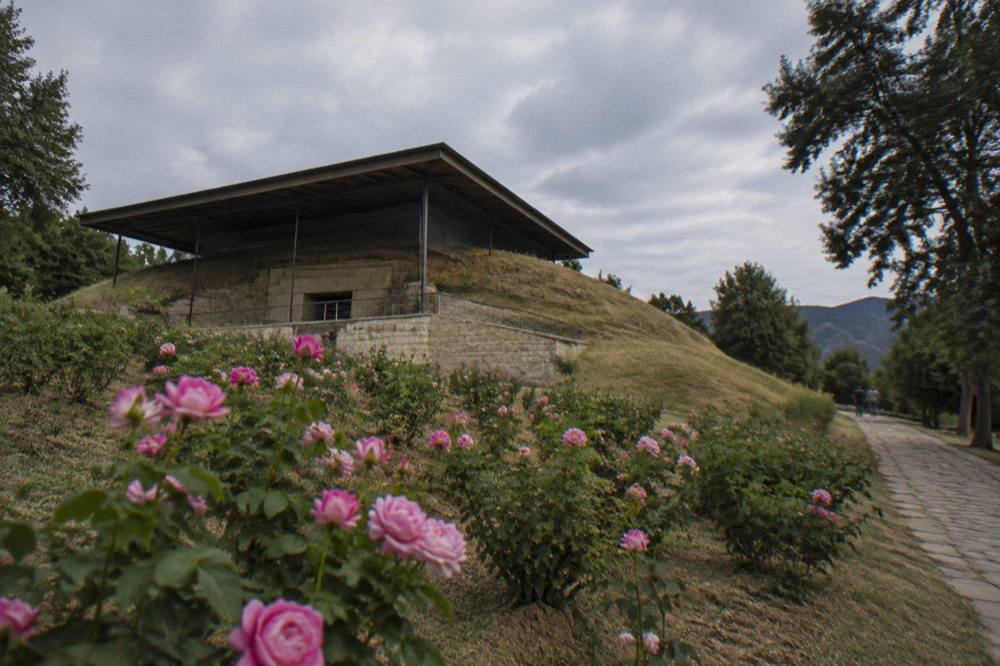
The rose valley is the one item on the national list with a fixed annual date attached. The reported 2027 culmination runs 4 to 6 June with rose-picking rituals, a parade and the crowning of the Rose Queen. Kazanlak is also where the country's most famous single archaeological object lies: the Thracian Tomb, a Hellenistic monument of the end of the 4th century BC, inscribed on the World Heritage List in 1979. Its replica and the Rose Museum sit in the same town, and the site is close enough to the old capital to combine on one long day. Other pages covering the same trip are gathered on Veliko Tarnovo Travel Guide.
If the rose valley belongs on your itinerary, book a Valley of Roses day tour.
Rakiya and yogurt need no festival. Bulgarian yogurt carries the country's name in several languages, rakiya is the table brandy, and banitsa is the pastry that goes with breakfast. None of the local restaurant or producer names can be quoted with figures here, so check prices on the spot. For a taste closer to the capital's own tables, a Bulgarian wine tasting sits on the local experience roster, and the monasteries and waterfalls tour covers another side of the region's produce and landscape.
Which UNESCO Sites Made Bulgaria Famous?
Bulgaria's World Heritage fame rests on the Rock-Hewn Churches of Ivanovo and the Thracian Tomb of Kazanlak, both inscribed in 1979, and neither is in Veliko Tarnovo. Nicopolis ad Istrum, the Roman city about 20 road km north of the old capital, has been on the Tentative List since 1984, with entry at 5.11 euro per the Regional Museum of History.
The distinction matters because the claim "Veliko Tarnovo is UNESCO listed" circulates and is wrong. Ivanovo's rock churches, about 128 km from the city by road, are medieaeval and give the country its strongest single heritage claim alongside Kazanlak. Nicopolis ad Istrum is the near miss: a Roman ruin on Bulgarian soil, on the Tentative List since 1984, open April to September from 09:00 to 18:00 and in winter by appointment only.
| Site | Status | Year | Adult ticket |
|---|---|---|---|
| Rock-Hewn Churches of Ivanovo | Inscribed | 1979 | Check on site |
| Thracian Tomb of Kazanlak | Inscribed | 1979 | Check on site |
| Nicopolis ad Istrum | Tentative List | 1984 | 5.11 euro |
| Tsarevets, Veliko Tarnovo | Not listed | None | 7.67 euro |
The medieval capital's fame rests on the kingdom, not on a listing, and the two 1979 inscriptions are the country's headline heritage entries.
Mountains, Monasteries And The Country Beyond The Capital?
Beyond the capital, Bulgaria is famous for its monasteries and its mountains: Preobrazhenski Monastery 6 km from Veliko Tarnovo, the Holy Trinity Monastery at 7 km, Dryanovo Monastery about 33 km away, and the Balkan range passes at Shipka. Emen Canyon, about 20 km west of the city, cuts 90 m cliffs into the Negovanka river gorge, per the municipal tourism site.
The monastery belt around the old capital is dense by any standard, and it feeds directly into the national image of a wooded, Orthodox, mountainous country. The listed road distances run from Kilifarevo Monastery at 17 km to the Shipka church at 79 km, and the Etar open-air museum at 53 km carries the crafts side of the same story, with adult entry at 7.16 euro per its own admission page. The Etar International Fair of Traditional Crafts is reported for 4 to 6 September 2027.
Climate shapes all of this. The ERA5 reanalysis, 1991-2020, gives Veliko Tarnovo a mean daily high of 27.6 C in July and 4.9 C in January, with a mean daily low of -3.8 C in January: a continental pattern with snow on the hills in winter. For the timing question, the guide to the best month to go to Bulgaria works through it month by month.
Common Questions About Bulgaria's Fame
What Is Bulgaria Most Famous For?
Bulgaria is most famous for its medieval kingdom centred on Veliko Tarnovo, for the Kazanlak rose valley and rakiya, and for the Rock-Hewn Churches of Ivanovo and the Thracian Tomb of Kazanlak, both UNESCO World Heritage Sites since 1979.
Is Veliko Tarnovo The Old Capital Of Bulgaria?
Yes. Veliko Tarnovo was the capital of the Second Bulgarian Kingdom for more than two centuries, from the late 12th century to the 14th, after the 1185 to 1186 uprising of Asen and Peter restored the state.
Is Veliko Tarnovo A UNESCO Site?
No. Nothing in the city is inscribed or on the Tentative List. The nearest inscribed sites are the Rock-Hewn Churches of Ivanovo and the Thracian Tomb of Kazanlak, both from 1979, and Nicopolis ad Istrum has been on the Tentative List since 1984.
What Currency Does Bulgaria Use?
The euro, since 1 January 2026, at a fixed rate of 1.95583 lev per euro. Bulgaria is also a full Schengen member since 1 January 2025.
What Is Bulgaria's Most Famous Castle?
Tsarevets Fortress in Veliko Tarnovo. Adult entry is 7.67 euro per the Regional Museum of History's ticket page, and the site reported 209,875 visitors in 2025.
The pattern underneath every one of these answers is the same: the fame runs through the medieval capital on the Yantra, out to the rose valley and the 1979 inscriptions, and back to a city you can walk across in a day, with the fortress at 7.67 euro and the rest of the hills free to stand and look at.