Bulgaria Entry Rules: Schengen, Visas And The EES
Bulgaria is a full Schengen member and euro-country, which changes what a trip to Veliko Tarnovo asks of you at the border. Here is what applies, and what does not, in plain terms.
Bulgaria has been a full Schengen member since 1 January 2025 and has used the euro since 1 January 2026. Citizens of the US, UK, Canada and Australia stay visa-free for up to 90 days in any 180. The Entry/Exit System has run at all Schengen external borders since 10 April 2026.
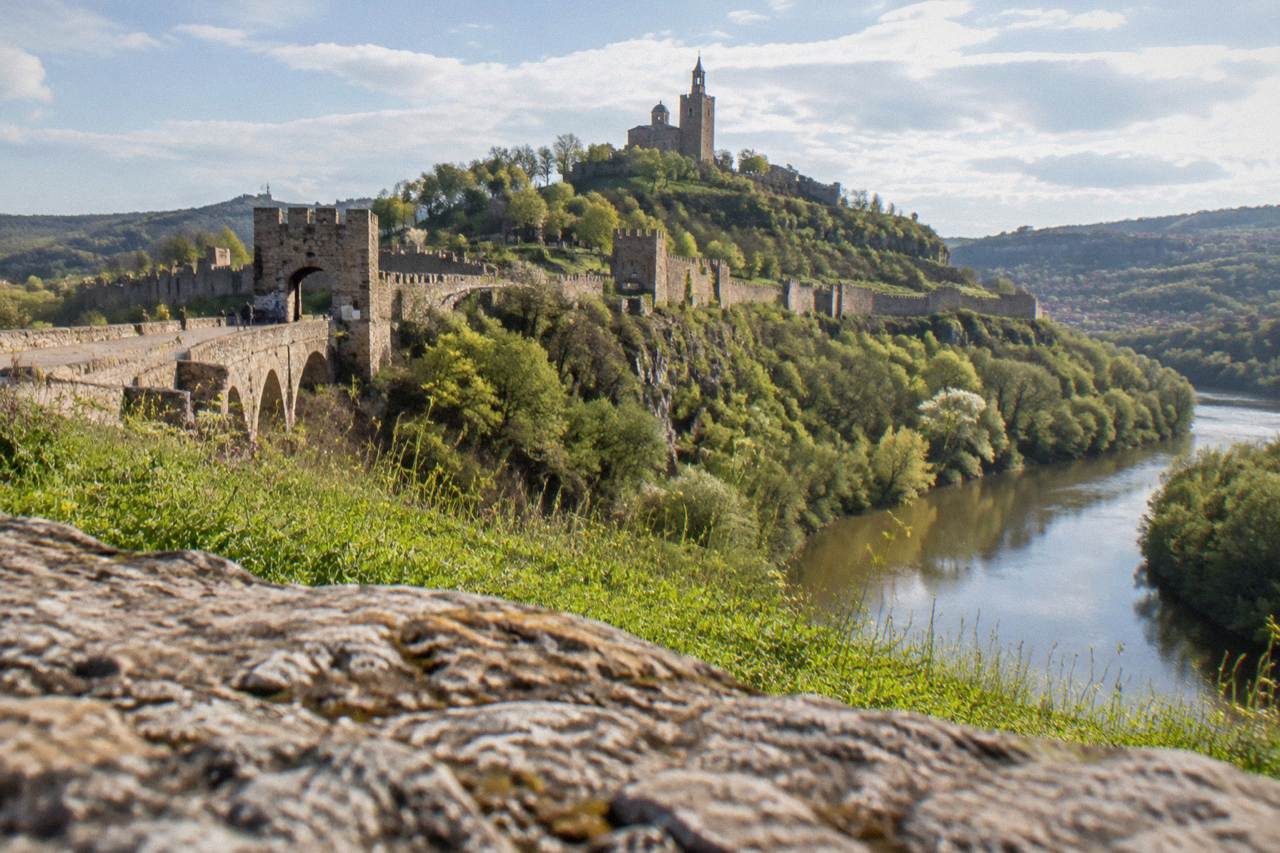
Veliko Tarnovo sits inland on the Yantra river in Bulgaria, and reaching it means entering a country whose border rules changed twice in two years: Bulgaria became a full Schengen member on 1 January 2025 and adopted the euro on 1 January 2026 as the 21st euro area member. For a traveller used to older guidebooks, both facts matter more than any visa question. The euro changeover of 1 January 2026 takes effect at a fixed rate of 1.95583 lev per euro, and the European Commission confirmed full Schengen membership in January 2025, with air and sea checks already lifted from 31 March 2024. This page sets out what each of those changes means in practice, who needs a visa and who does not, and how the new Entry/Exit System handles registration at the external borders.
Is Bulgaria In The Schengen Area For Veliko Tarnovo Travel?
Yes, Bulgaria has been a full Schengen member since 1 January 2025, so a single Schengen admission covers Veliko Tarnovo along with the rest of the country. Air and sea border checks were lifted earlier, from 31 March 2024, and land checks ended with full membership on 1 January 2025. The European Commission announced the completion in January 2025, which means the old distinction between the Bulgaria-Romania group and the wider zone no longer exists.
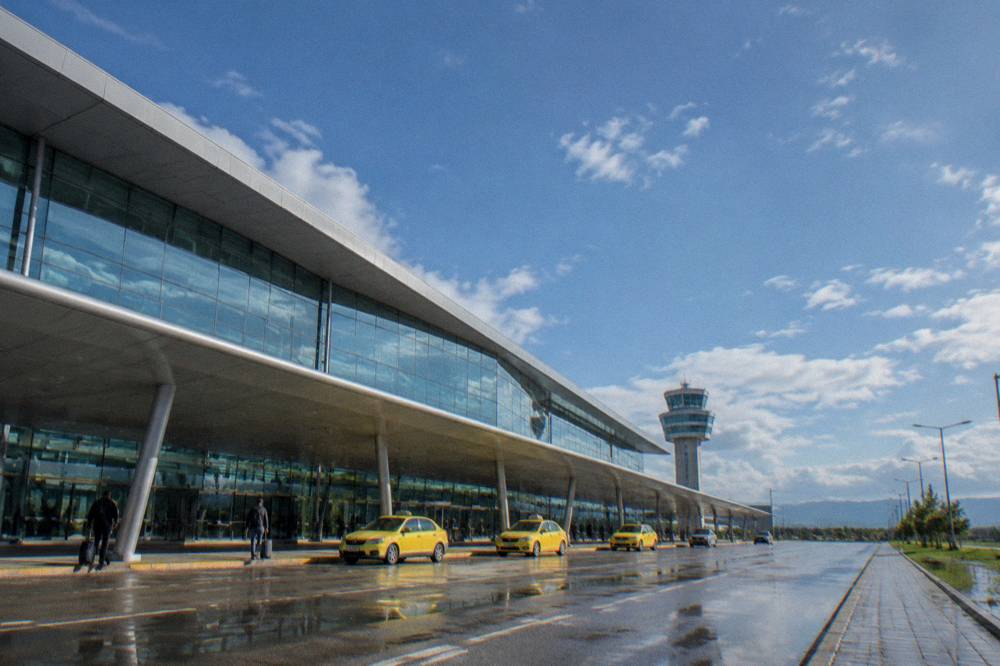
The practical effect is simple once stated plainly. A traveller admitted to any Schengen country can continue to Veliko Tarnovo without a further internal border check, whether arriving by air through Sofia, Varna or Bucharest Otopeni and continuing by road, or by bus from Bucharest. No scheduled-flight airport serves Veliko Tarnovo itself: the city is reached through Sofia, about 216 road km away, Varna, about 214, or Bucharest Otopeni, about 205.
What Schengen membership does not do is extend the time you may stay. The 90-days-in-any-180 rule counts the whole Schengen area, not Bulgaria alone. Days spent in Greece, Romania or Hungary before crossing into Bulgaria all draw on the same allowance.
Do You Need A Bulgaria Visa To Visit Veliko Tarnovo?
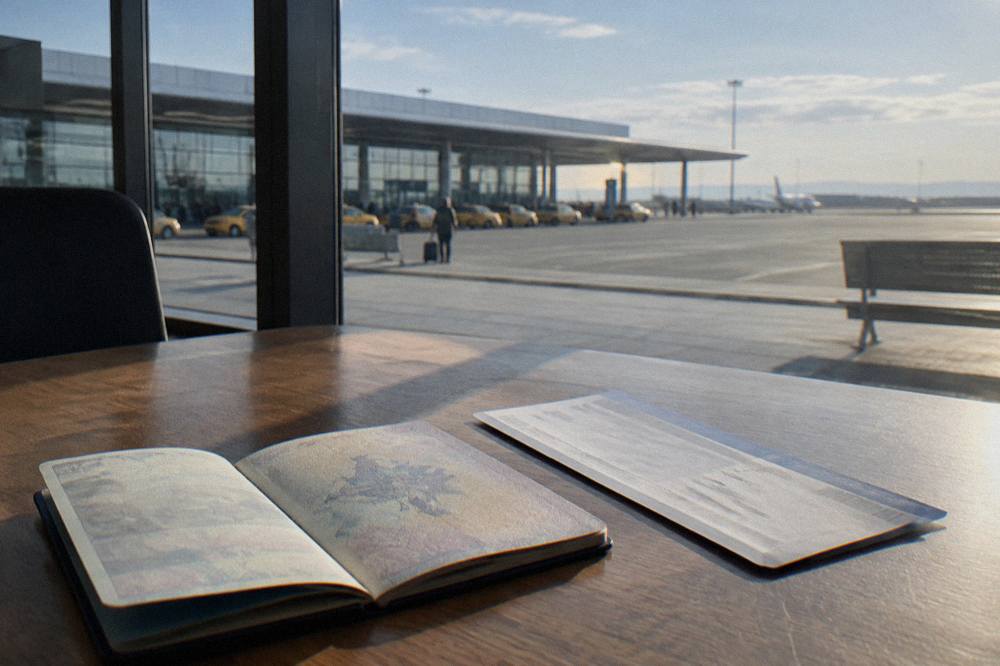
For citizens of the United States, the United Kingdom, Canada and Australia, no Bulgaria visa is needed: stays of up to 90 days in any 180 are visa-free, a status reported consistently across official guidance. EU and Schengen nationals travel on national identity cards or passports with no time-counting at all. Nationals of countries without a visa-waiver arrangement must apply for a Schengen visa, and since Bulgaria's accession that single visa covers the entire zone rather than Bulgaria alone.
The important shift is that there is no separate "Bulgaria visa" for short stays any more. A Schengen short-stay visa, type C, issued by any member state admits the holder to Veliko Tarnovo exactly as it admits them to Rome or Vienna. Travellers who hold a valid Schengen visa or residence permit from another member state do not need anything further for Bulgaria.
Visa-free travellers should still carry the passport they entered on, valid for the whole stay. Border officers at external crossings can ask for proof of accommodation, return travel and means of support, the standard Schengen entry conditions, so having a booking confirmation for a hotel in Veliko Tarnovo to hand speeds things up.
| Traveller category | Document needed | Maximum stay | Notes |
|---|---|---|---|
| EU or Schengen national | Passport or national ID card | Unlimited | Free movement applies |
| US, UK, Canadian, Australian citizen | Passport | 90 days in any 180 | Visa-free, reported status; counts the whole Schengen area |
| Other visa-waiver nationals | Passport | 90 days in any 180 | Same Schengen-wide clock |
| Non-waiver nationals | Schengen type C visa | Up to 90 days | One visa covers all member states |
| Holder of another state's Schengen residence permit | Residence permit plus passport | Per the permit | No separate Bulgaria visa |
What Is The Entry/Exit System At The Bulgarian Border?
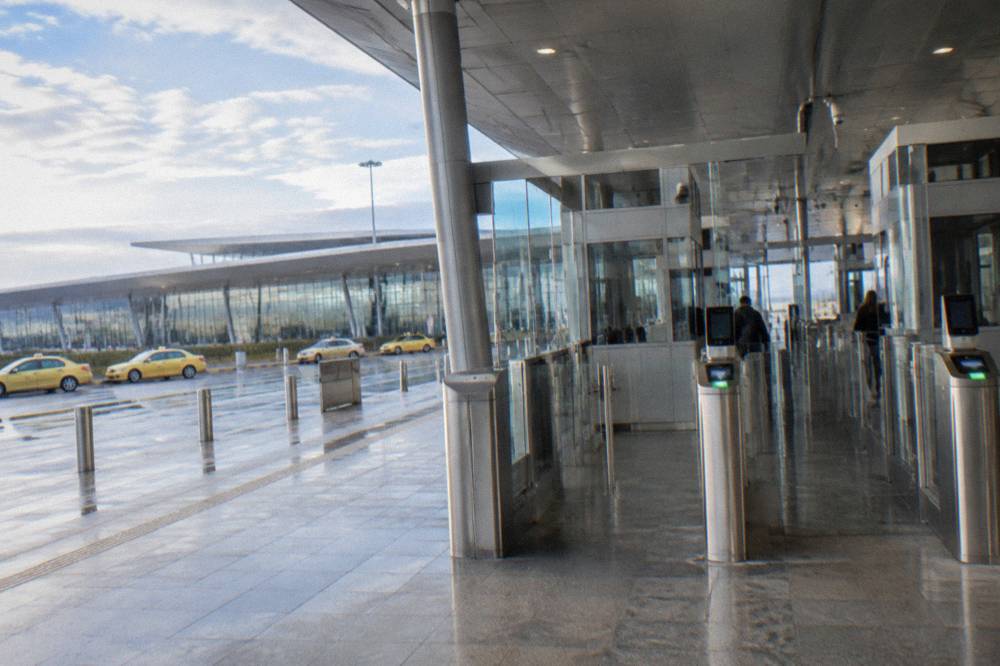
The Entry/Exit System, or EES, is the Schengen area's automated register of non-EU crossings, and eu-LISA records it as fully deployed at all Schengen external borders as of 10 April 2026. It replaces passport stamps for third-country nationals with biometric registration: fingerprints and a facial image captured at first entry. The system logs each entry and exit and calculates the days remaining under the 90-in-180 rule automatically.
In practice, a non-EU traveller arriving for Veliko Tarnovo at Sofia, Varna or Bucharest Otopeni, or crossing a land border by bus, will have their data registered at the booth instead of receiving a stamp. Repeat entries within the visa or waiver period use the stored biometrics, with a fingerprint or facial scan confirming identity. EU, EEA and Swiss citizens are outside the system entirely.
Two consequences are worth knowing. First, the old habit of counting stamps in a passport no longer measures anything; the EES does the counting. Second, because the system is automated, an overstay is recorded automatically, which is a strong argument for keeping exit dates firm. ETIAS, the planned travel authorisation for visa-waiver nationals, is a separate scheme and has not started; no launch date is announced, so treat any website selling "ETIAS registration" as selling nothing that exists yet.
What Currency And Documents Should You Carry In Veliko Tarnovo?
Bulgaria has used the euro since 1 January 2026, at a fixed conversion of 1.95583 lev per euro, so no currency exchange from the lev is needed anywhere in Veliko Tarnovo. The documents that matter are a passport valid for the whole stay, the Schengen visa or waiver status described above, and travel insurance, which is a standard entry condition for visa holders. The lev survives only as the fixed rate in the changeover arithmetic.
Prices on this site's sight pages are quoted exactly as the Regional Museum of History prints them: 7.67 euro for Tsarevets, 5.11 euro for Trapezitsa, both converted from the pre-euro lev tariffs at the fixed rate. Card acceptance is normal in museums and hotels, and the single European emergency number, 112, works free of charge for police, fire and ambulance. Our page on Bulgaria's euro and money covers the changeover in detail, and the general cost of a Veliko Tarnovo trip page lists the known ticket prices.
| Document or item | Who needs it | Why |
|---|---|---|
| Passport | All non-EU travellers | Entry, EES registration, hotel check-in |
| National ID card | EU and Schengen nationals | Free movement |
| Schengen type C visa | Non-waiver nationals | Lawful short stay |
| Return ticket | Non-EU travellers | Standard entry condition |
| Accommodation proof | Non-EU travellers | Can be requested at the border |
| Travel insurance | Visa holders; advised for all | Schengen visa requirement; covers the 112-callable health system |
Once inside the country, the practical questions move from documents to planning.
How Do You Reach Veliko Tarnovo After Entering Bulgaria?
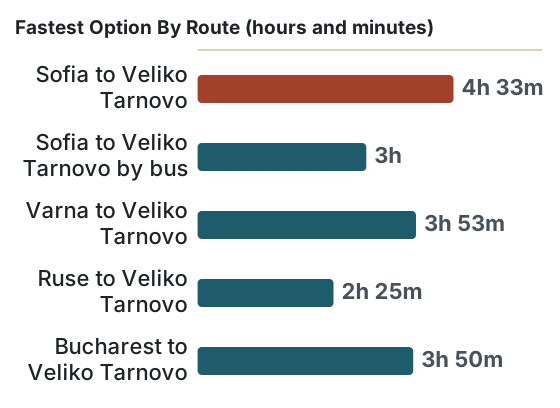
There is no airport with scheduled flights at Veliko Tarnovo, so entry happens through Sofia, Varna or Bucharest Otopeni, at about 216, 214 and 205 road km respectively, followed by road, rail or bus. From Sofia the fastest trains take 4 h 33 min with a change at Gorna Oryahovitsa, per the BDZ timetable; the direct bus runs about 3 to 3.5 hours. Bucharest connects by direct bus in roughly 3 h 50 min to 4 h 15 min.
The absence of a direct Sofia train surprises people holding older timetables. Every Sofia service involves a change, usually at the Gorna Oryahovitsa junction about 10 km from the city, and the 17 October 2026 timetable reads fastest at 4 h 33 min for the 10:10 departure and 4 h 51 min for the 07:00, with slower options running 6 to 10 hours. Varna has one direct train at 3 h 53 min, and Ruse a direct one at 2 h 25 min. The train station guide and the bus station guide carry the detail, and the wider how to get to Veliko Tarnovo page ties it together.
| Route | Fastest option | Change needed |
|---|---|---|
| Sofia to Veliko Tarnovo | 4 h 33 min by train | Yes, at Gorna Oryahovitsa |
| Sofia to Veliko Tarnovo by bus | about 3 to 3.5 hours | No |
| Varna to Veliko Tarnovo | 3 h 53 min direct train | No |
| Ruse to Veliko Tarnovo | 2 h 25 min direct train | No |
| Bucharest to Veliko Tarnovo | about 3 h 50 min to 4 h 15 min by direct bus | No |
For anyone starting the trip with the border itself, the bus from Bucharest crosses an external Schengen land border, which is where the EES registration happens. Flights into Sofia or Varna clear passport control at those airports instead.
The ATV and quad off-road tour in Veliko Tarnovo and Arbanasi is a way to see the hills around the city once the travel formalities are done, and Arbanasi itself lies about 2.8 km straight-line from the centre, close enough that an off-road loop can cover both in one outing.
What Can You Do In Veliko Tarnovo Without A Visa Restriction?
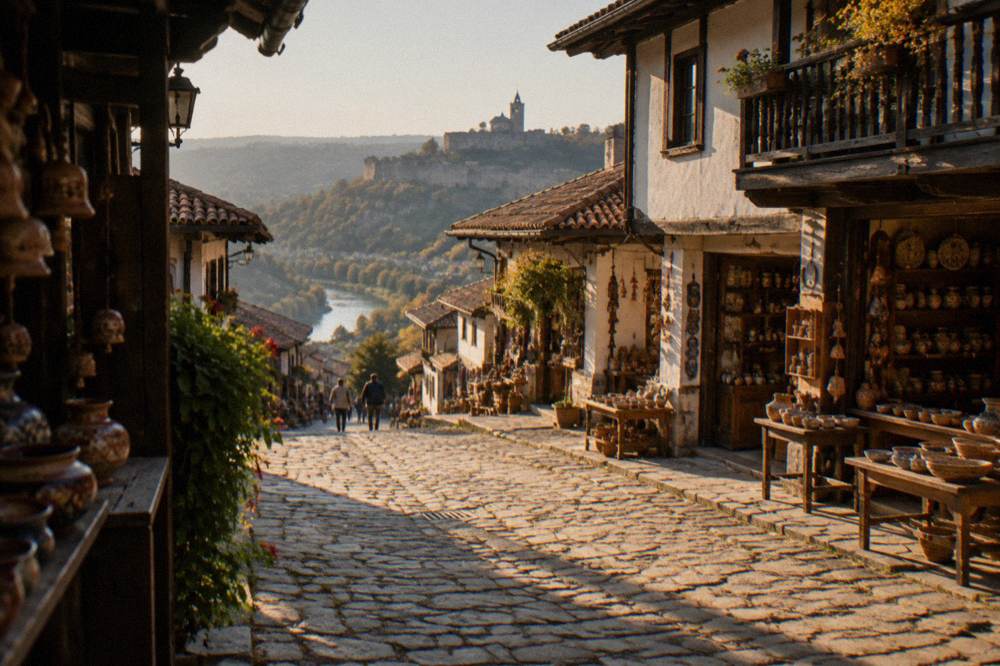
Everything on the standard visitor list is open to any lawful entrant: Tsarevets Fortress at 7.67 euro, the Archaeological Museum at 5.11 euro, the free public spaces such as the Asenevtsi Monument, Samovodska Charshiya and General Gurko Street, and the Sound and Light show watched free from Tsar Asen I Square. Visa status governs only how you entered and how long you stay, never which sights you may buy tickets for.
The seasonal calendar matters more than the visa column. Winter hours at the museum sites start on 25 October 2026, with Tsarevets switching to entry 09:00 to 16:00, closing 17:00. Trapezitsa closes altogether from 30 November 2026 to 31 March 2027, and its funicular stops for the season on 31 October 2026. The Museum of New and Newest History is temporarily not accepting visitors. A late-autumn arrival therefore sees a slightly different city from a summer one, and the best time to visit Veliko Tarnovo page lays out the trade-offs month by month, with the ERA5 reanalysis, 1991-2020, showing a mean daily high of 27.6 C in July against 4.9 C in January.
| Sight or activity | Adult ticket | Winter note |
|---|---|---|
| Tsarevets Fortress | 7.67 euro | Winter entry hours from 25 October 2026 |
| Trapezitsa | 5.11 euro | Closed 30 November 2026 to 31 March 2027 |
| Archaeological Museum | 5.11 euro | Monday maintenance 09:00 to 11:00 |
| Asenevtsi Monument | free | Open public space |
| Samovodska Charshiya | free | Open public space |
| Sound and Light show from Tsar Asen I Square | free | Announced evenings only |
Is There A Time Limit Or Registration Step After Arrival?
The 90-days-in-any-180 limit is the only time rule for visa-waiver travellers, and since Bulgaria joined Schengen it is measured across the whole zone, with the EES doing the counting automatically from 10 April 2026. The old Bulgarian requirement for foreigners to register with the police within days of arrival has no place in the Schengen framework. Hotels record guest details as they do everywhere in the zone, and that record-keeping satisfies the obligation.
For stays beyond 90 days, whether for study, work or family, a national long-stay visa or residence permit from Bulgaria is needed, applied for at a Bulgarian consulate before travel. That process sits outside a tourist page's scope, but the direction is clear: the Schengen short-stay rules carry you to the 90-day mark, and anything longer is a consular matter. Students at St Cyril and St Methodius University of Veliko Tarnovo go through exactly that route.
One habit worth keeping is holding onto the boarding pass or bus ticket. With no passport stamp for EES-registered travellers, a printed proof of entry date is the simplest way to answer any later question about when the clock started.
What Should Families And Non-EU Visitors Know Before Booking?
Families from visa-waiver countries need only passports for everyone, including children, and the EES registers each traveller separately, with minors' biometrics captured under the same rules. Non-EU visitors booking tours in Veliko Tarnovo should carry identification on excursion days, since operators check names against bookings. Children under 7 enter the Regional Museum of History's sites free, and a Tsarevets family ticket, parents plus up to 3 children aged 7 to 18, costs 10.23 euro per the museum's ticket page.
Booking ahead is where the border rules and the holiday meet. Tour and hotel bookings double as the accommodation proof a border officer can request, and cancellable rates leave room for plan changes. The things to do in Veliko Tarnovo overview links the full sight set, and the practical pages on car rental and parking cover driving in, which many Bucharest arrivals choose.
A self-guided visit to the Monastery of the Holy Transfiguration of God, about 6 road km from the centre, fits a first afternoon well: no border-sensitive logistics, no fixed group time, and the monastery's church interior open in daylight hours as monasteries are. Pair it with the Preobrazhenski Monastery entry on the churches and monasteries near Veliko Tarnovo page.
| Family detail | What applies |
|---|---|
| Documents for children | Individual passports, no stamp, EES registration at entry |
| Tsarevets child entry | Under 7 free |
| Tsarevets family ticket | 10.23 euro, parents plus up to 3 children aged 7 to 18 |
| Arbanasi church family ticket | 12.78 euro |
| Two-day museum pass | 20.45 euro individual, valid 1 April to 30 November |
Which Border Rules Apply On Day Trips Out Of Veliko Tarnovo?
None, for trips inside Bulgaria and inside Schengen: a day trip from Veliko Tarnovo to Etar, Tryavna or Arbanasi crosses no border at all, and even the longer swings to Ruse or the Ivanovo churches stay within the zone. Only a day trip that exits Schengen, none of the standard ones do, would trigger a fresh EES registration. The single number to remember on any of them is 112.
The distances set the scale. Etar lies about 53 road km from the centre, Tryavna about 42, Bozhentsi about 46, and the Shipka church about 79. Ruse, on the Danube facing Romania, is about 105 km away and remains inside Schengen, so the crossing to Giurgiu that once meant a passport check is now an internal border like any other in the zone. The Ivanovo rock-hewn churches, one of Bulgaria's two inscribed UNESCO sites near the region along with the Thracian Tomb of Kazanlak, both 1979, lie over 100 km away; Nicopolis ad Istrum, on the Tentative List since 1984, is about 20 km from the city with a 5.11 euro ticket.
The full-day private eco tour covers exactly this kind of hinterland, waterfalls and caves country, with the logistics handled by the operator. The tour's listing carries its price, rating and duration.
What Happens If You Overstay Or Lose Your Passport In Bulgaria?
An overstay in the Schengen area is recorded automatically by the EES and handled by Bulgaria's border police under national law, with fines, removal and re-entry bans all possible depending on length and circumstances. A lost passport is reported to the local police and then to your own consulate in Bulgaria for an emergency travel document; the 112 number routes the police contact. Neither situation needs a special Bulgaria visa remedy, because both run on standard Schengen procedure.
Prevention is duller and better. Diarise the exit date against the 90-in-180 allowance before arrival, keep a phone photograph of the passport data page, and store a copy separately from the document itself. Consulates sit in Sofia, which is about 223 road km away by the route computation, so an emergency document involves a trip or a courier rather than a local office.
Insurance earns its keep in exactly these scenarios. Schengen visa holders must carry it by rule; visa-waiver travellers are wise to match it, since a hospital admission under the Bulgarian system is billed to those without cover.
Common Questions About Bulgaria Entry Rules For Veliko Tarnovo
Do I need a Bulgaria visa for Veliko Tarnovo?
US, UK, Canadian and Australian citizens do not: stays of up to 90 days in any 180 are visa-free, a status reported across official guidance. Non-waiver nationals need a standard Schengen type C visa, which since Bulgaria's 2025 accession covers the whole zone.
Is Bulgaria in the Schengen Area?
Yes, fully since 1 January 2025. Air and sea checks were lifted from 31 March 2024, and land checks ended with full membership. The European Commission announced the completion in January 2025.
Does Bulgaria still use the lev?
No. Bulgaria adopted the euro on 1 January 2026 as the 21st euro area member, at a fixed rate of 1.95583 lev per euro. Every price in Veliko Tarnovo is quoted in euro, including the 7.67 euro Tsarevets ticket.
What is the EES and does it apply at Bulgarian borders?
The Entry/Exit System is the Schengen register of non-EU crossings, fully deployed at all external borders since 10 April 2026 per eu-LISA. It replaces passport stamps with biometric registration and counts the 90-in-180 allowance automatically.
Is ETIAS required for Bulgaria?
No. ETIAS has not launched and no start date has been announced. Any site selling ETIAS registration is selling a service that does not exist yet.
Do children need to be registered at the border?
Yes, each traveller including minors is registered separately in the EES at external borders. Children need their own passports, and those under 7 enter the Regional Museum of History's sites free.
The short version for a Veliko Tarnovo trip: carry a valid passport, enjoy the euro, expect a biometric scan rather than a stamp, and count your Schengen days if you are near the 90-day line. Everything else about the city, from the fortress ticket to the free squares, waits exactly where it always did. The Veliko Tarnovo Travel Guide covers the rest of the planning, season by season and sight by sight.