Veliko Tarnovo Train Station And The Gorna Oryahovitsa Junction
Veliko Tarnovo, an inland city on the Yantra river in Bulgaria, sits on a branch line fed by the Gorna Oryahovitsa junction about 10 km away, and that single fact shapes almost every rail journey to the city.
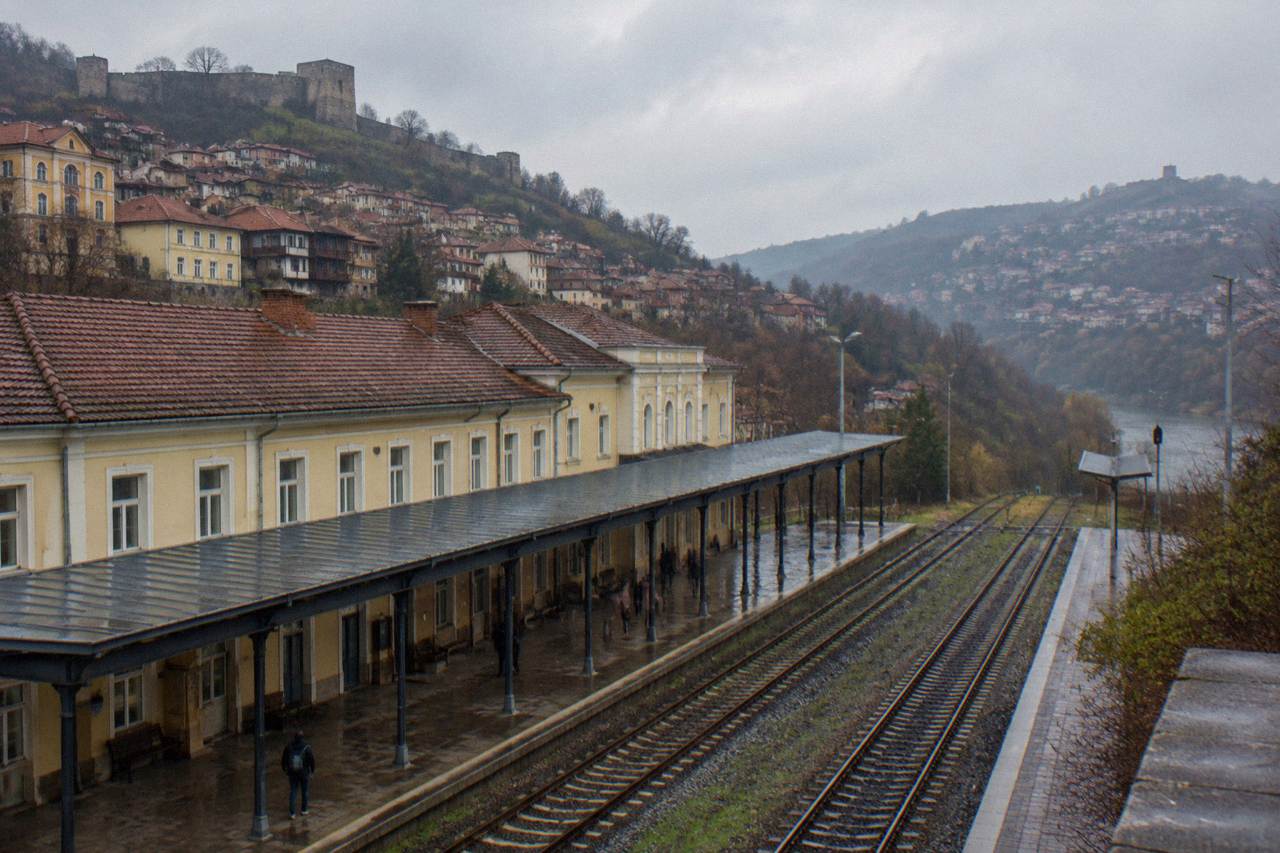
There is no direct train from Sofia to Veliko Tarnovo: journeys change, usually at Gorna Oryahovitsa, and the fastest take 4 h 33 min. Varna has one direct train of 3 h 53 min, and Ruse a direct train of 2 h 25 min. A second-class Sofia fare runs about 9.82 euro.
Veliko Tarnovo, an inland city on the Yantra river in northern Bulgaria with no sea coast, is reached by rail through a branch line and a junction, not through a mainline terminus. The city's own station handles the last leg, while the Gorna Oryahovitsa junction, about 10 km from the centre, is where trains from Sofia, Varna and the north converge. The arrangement is old, it is well documented on the BDZ timetable, and it explains the one thing that surprises rail travellers here: there is no direct train from Sofia at all.
This page lays out what the timetable actually shows: the fastest Sofia connections and their changes, the direct trains that do exist from Varna and Ruse, the one fare example that can be quoted, the distance from the station into town, and how the rail option compares with the buses from the Yug station. It also covers what a wait in the city is good for, because a medieval capital of more than two centuries, the seat of the Second Bulgarian Kingdom from the late 12th century to the 14th, sits a short ride from the platform. For the wider arrival picture, including flights into Sofia, Varna and Bucharest Otopeni, see the companion guide to getting to Veliko Tarnovo.
Where Is The Veliko Tarnovo Train Station And What Does Gorna Oryahovitsa Do?
The Veliko Tarnovo train station sits on the city's branch line, and the working rail hub for the region is the Gorna Oryahovitsa junction, about 10 km from the centre, where long-distance services from Sofia, Varna and Ruse meet the branch that carries trains the rest of the way into the city. No scheduled-flight airport serves Veliko Tarnovo, so this pair of rail points, together with the two bus stations, is the arrival system for the whole city.
Gorna Oryahovitsa is a classic junction town: lines from several directions meet there, and trains bound for Veliko Tarnovo are coupled onto the branch for the final stretch. The practical consequence is that a journey on paper labelled "Sofia to Veliko Tarnovo" is really two or three trains with a transfer, and the total time depends almost entirely on how long the wait at the junction is. The BDZ timetable shows the same pattern from the north and the east, with only a handful of genuinely direct services threaded through.
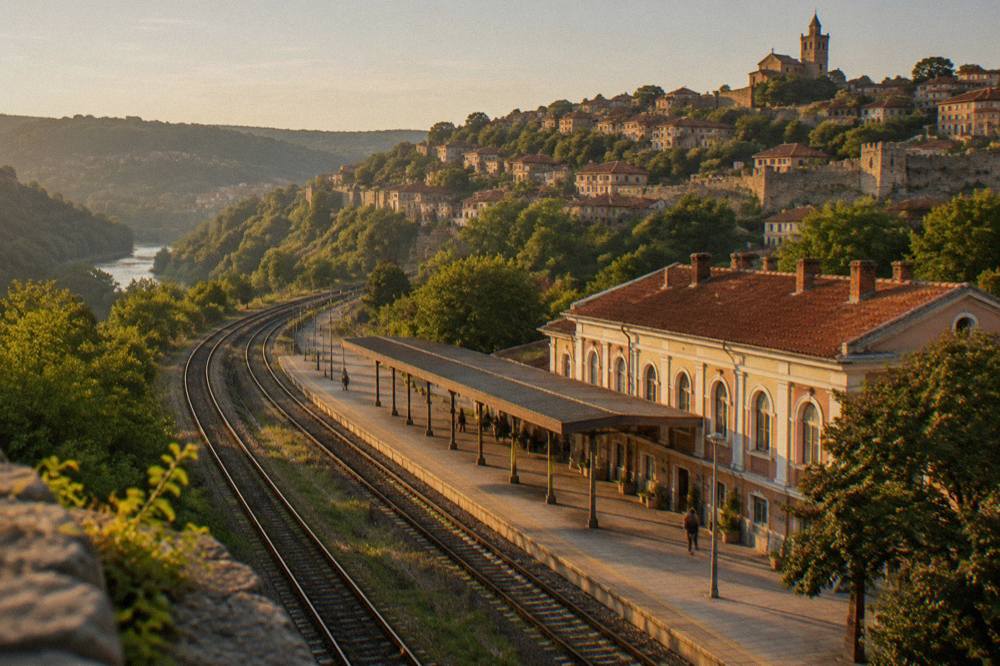
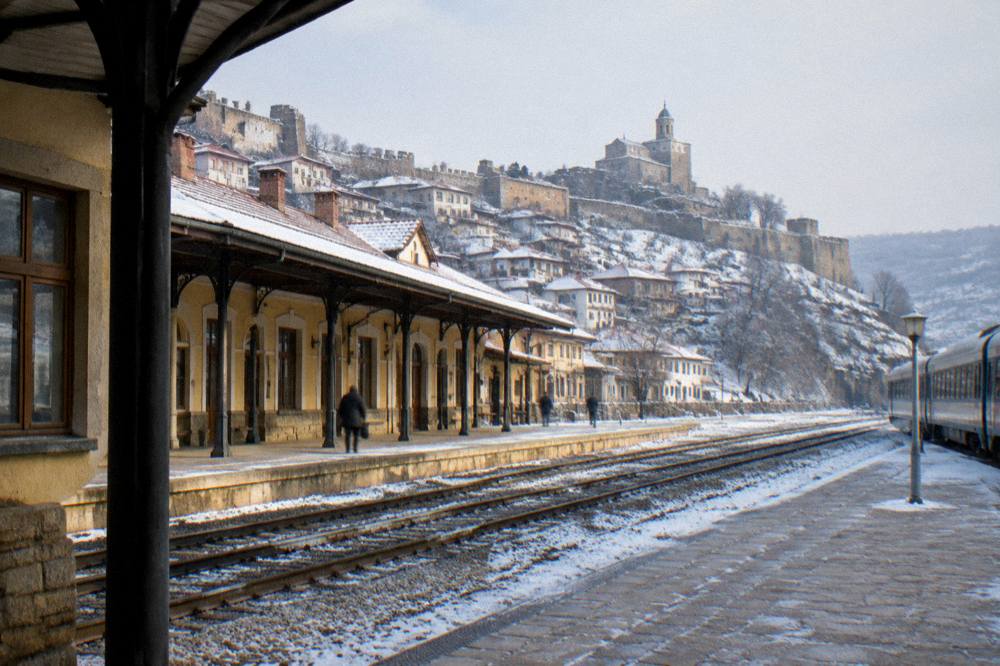
The station itself is a modest regional stop rather than a grand terminus. What matters to a visitor is less the building than the connections it serves, and the fact that the centre of a city of about 77,000 municipality residents, a medieval capital with a fortress hill between river meanders, sits within easy reach of it. The city's position, at about 220 m elevation amid the gorges of the Yantra, is why the rail approach winds rather than runs straight, and why the junction outside town was built where the land allowed lines to cross.
Two distances anchor everything on this page: Gorna Oryahovitsa station lies about 10 km from the centre, and the road distance from Sofia is about 223 km.
| Rail point | Distance from the centre | Role for travellers |
|---|---|---|
| Veliko Tarnovo station | in the city | Final stop on the branch line |
| Gorna Oryahovitsa junction | about 10 km | Transfer point for trains from Sofia, Varna and the north |
| Sofia | about 223 km by road | Origin of the longest common journey, always with a change |
| Ruse | about 105 km by road | Origin of a direct train, 2 h 25 min |
| Varna | about 186 km by road | Origin of one direct train, 3 h 53 min |
For anyone weighing rail against the airports, the nearest with scheduled flights are Sofia (SOF), Varna (VAR) and Bucharest Otopeni (OTP), at roughly 216, 214 and 205 road kilometres respectively, and the nearest airport guide compares them in detail.
How Do You Travel From Sofia To Veliko Tarnovo By Train?
There is no direct train from Sofia to Veliko Tarnovo: every journey involves at least one change, usually at Gorna Oryahovitsa, and the fastest connections on the timetable read of 17 October 2026 take 4 h 33 min (the 10:10 departure from Sofia) and 4 h 51 min (the 07:00), while the remaining services take 6 to 10 hours depending on the length of the transfer. Times change with timetable revisions, so the BDZ timetable is the reference to check before travelling.
That spread, from under five hours to ten, is the single most important fact about the route. The trains themselves cover the distance briskly; the difference between a fast and a slow journey is the wait at the junction. A traveller who picks a departure by its total journey time rather than by its departure hour can save hours, and the timetable sorts by fastest route precisely for that purpose.
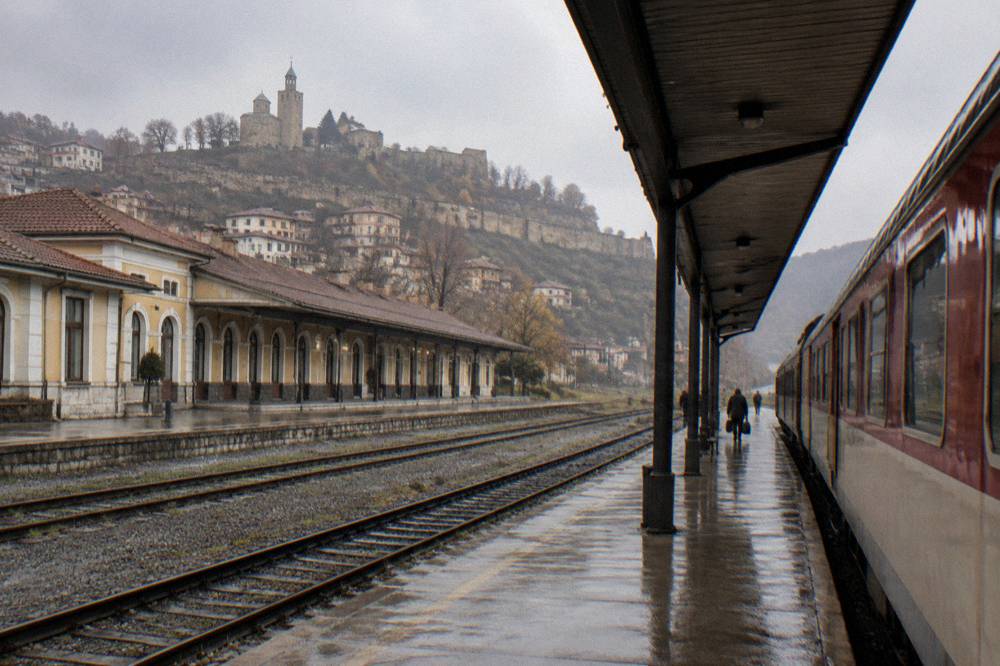
The route from Sofia runs north across the Danube plain to the junction, with some services routed via Stara Zagora or Dabovo instead. None of this needs to be memorised: the booking system assembles it, and the only decision that matters is the trade between departure convenience and total time. Booking opens through the BDZ site, and a second-class fare on the Sofia route was listed at about 9.82 euro in one example; fares are dynamic, so treat that as a single data point rather than a rule.
For the return leg, or for travellers starting in the capital, the same arithmetic applies in reverse. If the fast connections do not fit your day, the bus becomes the competitive option: Sofia to Veliko Tarnovo by road takes about 3 to 3.5 hours with several operators, departing from the city's Yug bus station side, and the bus station guide covers that system in full.
| Route | Direct train? | Fastest shown | Notes from the timetable |
|---|---|---|---|
| Sofia to Veliko Tarnovo | No | 4 h 33 min | Change usually at Gorna Oryahovitsa; 07:00 departure takes 4 h 51 min |
| Sofia to Veliko Tarnovo, other services | No | 6 to 10 hours | Longer waits at the junction or alternative routings |
| Varna to Veliko Tarnovo | Yes, one | 3 h 53 min | 05:00 departure; other services change and take 4 h 36 min or longer |
| Ruse to Veliko Tarnovo | Yes | 2 h 25 min | 04:49 departure; a 06:20 service via the junction takes 2 h 33 min |
Which Direct Trains Reach Veliko Tarnovo From Varna And Ruse?
Varna has one direct train to Veliko Tarnovo, departing at 05:00 and taking 3 h 53 min, while every other Varna service changes at Gorna Oryahovitsa and takes 4 h 36 min or longer; from Ruse there is a direct train of 2 h 25 min (the 04:49), plus a 06:20 connection via the junction at 2 h 33 min. The coastal and Danube routes are therefore the easiest rail approaches to the city, not the Sofia one.
The Varna figure deserves its emphasis. With 16 direct buses a day and one direct train on the same corridor, the Black Sea connection is the one place where rail runs head to head with road transport without a forced transfer, and the early departure hour is the price of it. The Ruse trains are shorter still, under two and a half hours, which pairs well with arrivals into Romania via Bucharest Otopeni, about 205 road km from the city, or with a Danube itinerary that includes the Rousse guide.
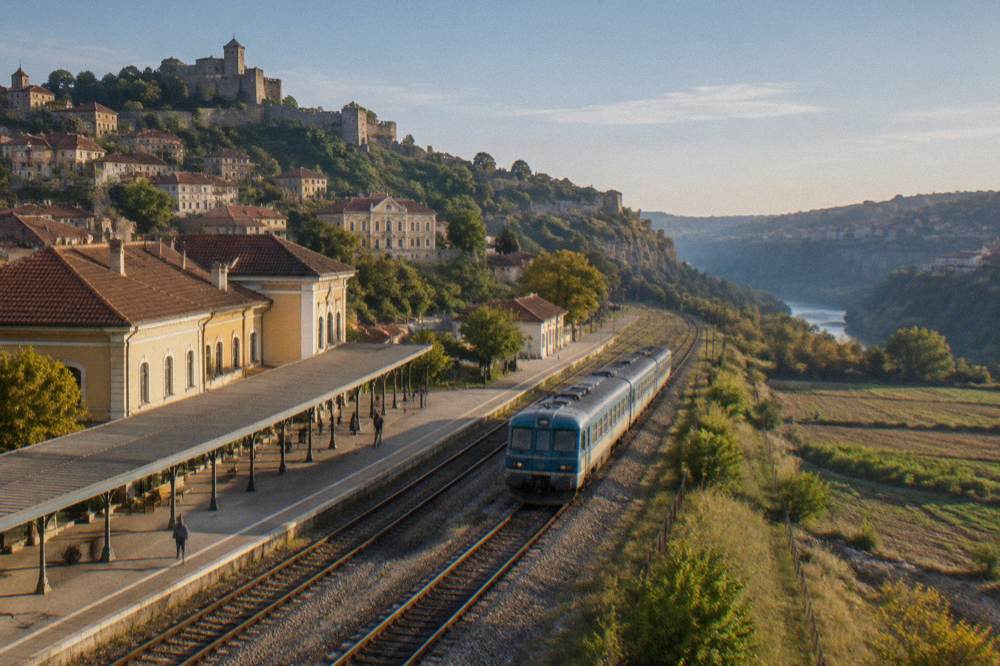
Both of these figures come from the timetable read of 17 October 2026, and timetables shift with the seasons, so the BDZ journey planner is the authority on the day you book. What does not shift is the geography: Gorna Oryahovitsa sits where the lines from the Danube and the coast meet, and Veliko Tarnovo hangs off it by a short branch. Every rail plan for the city is built on that shape.
A comparison worth making before booking: from Bucharest, direct buses take about 3 h 50 min to 4 h 15 min, and there is no rail journey that beats them without multiple changes. The day trip from Bucharest guide covers that corridor for visitors basing themselves in Romania.
What Does The Journey Into The Centre Look Like After You Arrive?
The Veliko Tarnovo station is an urban stop within a city whose municipality counts an estimated 77,067 residents, and the centre, the old quarters and Tsarevets Fortress all sit in the same built-up area served by local transport, with Gorna Oryahovitsa about 10 km out for anyone arriving on a through service; the practical advice is to check the current local fare at the ticket office or on the official page before travelling.
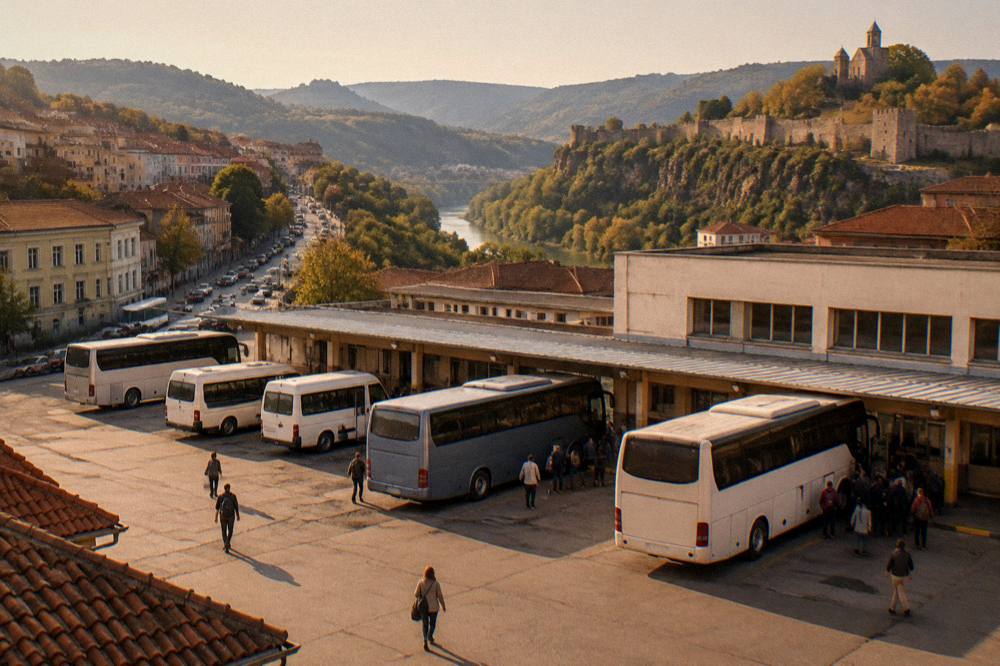
The last leg is where planning pays off. If your train terminates at Veliko Tarnovo station, you are already in the city, and the historic core, the Varosha quarter, Samovodska Charshiya and the fortress hill, is part of the same urban fabric. If instead you find yourself changing at Gorna Oryahovitsa, the branch train covers the remaining distance, and the two bus stations, Yug at 74 Hristo Botev Boulevard in the centre for Sofia, Varna and international services, and Zapad on Nikola Gabrovski Boulevard for regional routes, are the road equivalents.
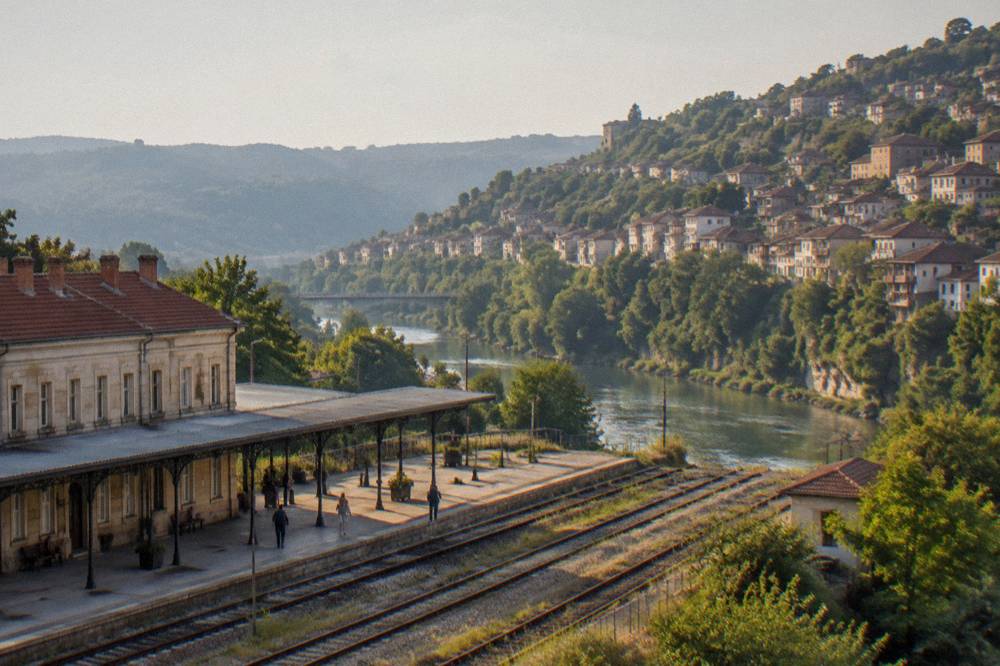
For the first hours in town, the getting around guide and the where to stay guide carry the detail, and the city centre guide walks the arrival area itself. The only emergency number worth memorising is 112, the single European number, free to call.
Currency is the other practical point. Bulgaria has used the euro since 1 January 2026, at the fixed rate of 1.95583 lev per euro, and the lev no longer circulates. Museum tickets in the city are priced in euro, quoted exactly as the Regional Museum of History prints them: Tsarevets costs 7.67 euro for an adult, with a family ticket at 10.23 euro for parents and up to three children aged 7 to 18. The euro and money guide covers the changeover, and the cost guide builds a full budget from the listed figures.
| Arrival point | Where it is | What it connects to |
|---|---|---|
| Veliko Tarnovo station | Within the city | The branch line terminus for all rail arrivals |
| Gorna Oryahovitsa junction | About 10 km from the centre | Changes from Sofia, Varna and northern services |
| Yug bus station | 74 Hristo Botev Blvd, centre | Sofia, Varna and international coaches |
| Zapad bus station | Nikola Gabrovski Blvd | Regional and local bus routes |
Bus Or Train: Which Serves Veliko Tarnovo Better?
From Sofia the bus is quicker on paper, about 3 to 3.5 hours against the fastest rail time of 4 h 33 min, because the coach runs direct while every train changes at Gorna Oryahovitsa; from Varna the two run close, 16 direct buses a day against one direct train of 3 h 53 min, and from Bucharest the direct buses of about 3 h 50 min to 4 h 15 min have no rail equivalent. Rail wins from Ruse, where the direct train takes 2 h 25 min.
That is the whole comparison, and it is a rare case where the arithmetic is clean. The train's weakness on the Sofia route is structural, not seasonal: the junction transfer adds time that no timetable revision removes. The bus operators on that corridor include Etap/Group Plus, Union Ivkoni and Biomet, departing from the Yug station side, with roughly 19 departures a day listed on aggregate booking pages. The rest of the planning pages sit on Veliko Tarnovo Travel Guide.
The right move is to price both modes for your exact date at the point of booking and let the difference decide. What can be compared is time, and the table above already did that.
With your dates picked, book a bus or train ticket.
One more consideration: comfort and daylight. The direct Varna train leaves at 05:00 and the direct Ruse train at 04:49, hours that trade sleep for a transfer-free ride. The Sofia buses spread across the day, which suits anyone who would rather not set an alarm. Neither factor appears in a timetable column, and both decide more journeys than the fare does.
| Corridor | Best rail time | Bus alternative | Verdict on time |
|---|---|---|---|
| Sofia | 4 h 33 min, with a change | about 3 to 3.5 hours direct | Bus is faster |
| Varna | 3 h 53 min direct, 05:00 | 16 direct buses a day | Comparable, schedule decides |
| Ruse | 2 h 25 min direct, 04:49 | Services available | Train is the clean option |
| Bucharest | No direct rail | about 3 h 50 min to 4 h 15 min direct | Bus is the practical choice |
When Is The Best Season To Arrive In Veliko Tarnovo By Train?
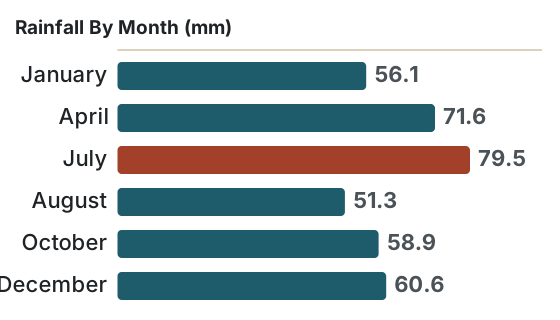
The climate is continental, with an ERA5 reanalysis 1991-2020 modelled mean daily high of about 27.6 C in July and 28.1 C in August and about 4.9 C in January, a mean daily low of about -3.8 C in January, and monthly rainfall from about 51.3 mm in August to about 95.7 mm in May, so late spring and early autumn pair mild temperatures with the fortress's summer opening hours of 08:00 to 20:00 from April to September.
The hours matter as much as the weather. Tsarevets is open daily, with April to September entry until 19:00 and October hours of 09:00 to 18:00, and winter hours starting on 25 October 2026 cut entry to 09:00 to 16:00. Trapezitsa, the second fortress hill, is open in season but closes to visitors entirely from 30 November 2026 to 31 March 2027, and its funicular stops for the year on 31 October 2026. An autumn rail arrival therefore buys you a different city than a summer one, at identical ticket prices.
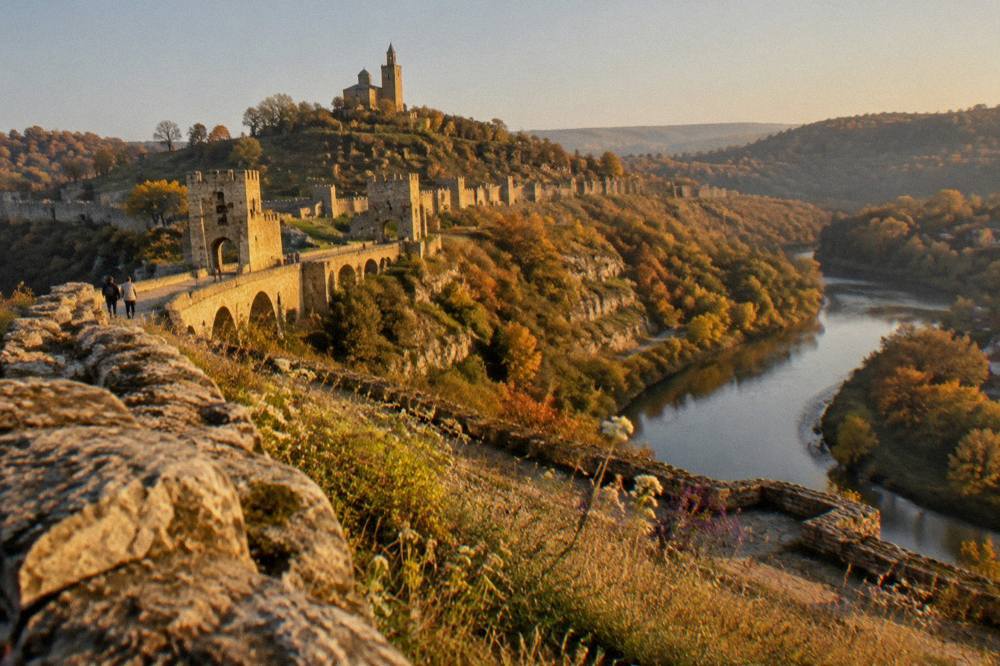
The best time to visit guide and the weather guide carry the full breakdown, and the spring and autumn guide makes the shoulder-season case in detail. Rain is the one figure worth quoting precisely: May averages about 95.7 mm in the modelled data and June about 85.0 mm, against about 51.3 mm in August, so a summer arrival is not just warmer but, on the modelled normals, drier than late spring.
| Month | Mean daily high | Mean daily low | Rainfall |
|---|---|---|---|
| January | 4.9 C | -3.8 C | 56.1 mm |
| April | 16.9 C | 6.0 C | 71.6 mm |
| July | 27.6 C | 17.2 C | 79.5 mm |
| August | 28.1 C | 17.1 C | 51.3 mm |
| October | 17.6 C | 8.0 C | 58.9 mm |
| December | 6.1 C | -1.7 C | 60.6 mm |
Figures are ERA5 reanalysis, 1991-2020, a modelled grid cell near the city, not a station record.
What Can You Fill A Free Afternoon With After Stepping Off The Train?
The walkable core of the city, the Asenevtsi Monument, Samovodska Charshiya, General Gurko Street and the Varosha quarter, is free and open at all hours, the Sound and Light show on Tsarevets runs on announced evenings and costs nothing to watch from Tsar Asen I Square, and a 5.11 euro ticket covers the Archaeological Museum or the Church of the Holy Forty Martyrs, so an arrival day needs no car and no booking to fill.
The free list is short and exact: those public spaces, plus the show viewing from the square. Everything else is ticketed by the Regional Museum of History at the euro prices already quoted, 7.67 euro at Tsarevets, 5.11 euro at the Forty Martyrs church where Bulgaria's independence was declared on 22 September 1908 and where the marble victory column of Ivan Asen II from 1230 stands. The multimedia visitor centre Tsarevgrad Tarnov costs 7.67 euro, or 10.23 euro combined with the churches of Sts Peter and Paul and St Ivan Rilski.
For a first afternoon, the one day itinerary sequences exactly these sights, and the walking tour guide maps the route between them. If an afternoon stretches into a free half-day beyond the centre, a self-guided product to the Monastery of the Holy Transfiguration of God, the related walk on this page, covers the monastery about 6 km out without needing a car or a guide.
Closer to the station corridor, the Preobrazhenski Monastery lies about 6 km from the centre and the Holy Trinity Monastery about 7 km, both covered in the churches and monasteries guide. A ticketed afternoon indoors works too: the Archaeological Museum keeps April to October hours of 09:00 to 18:00 and winter hours of 09:00 to 17:30, with a Monday maintenance slot from 09:00 to 11:00, and the Prison Museum opens Tuesday to Saturday, 09:30 to 17:30.
Can You Day Trip By Train Or Coach From Veliko Tarnovo?
The classic day trips from the city run outward by road rather than rail, with Etar about 53 km away, Tryavna about 42 km, the Dryanovo Monastery and Bacho Kiro cave about 33 km, and Nicopolis ad Istrum about 20 km, and the regional Zapad bus station on Nikola Gabrovski Boulevard is the departure point for the local network, while organised day-trip products cover the farther reaches such as Buzludzha at about 73 km.
Nicopolis ad Istrum, the Roman site on the village side of Nikyup, has been on UNESCO's Tentative List since 1984 and carries a 5.11 euro ticket from the museum network, with April to September hours of 09:00 to 18:00 and winter visits by appointment. It is the closest thing the region has to a classical ruin of the first rank, and nothing in the city itself is inscribed or tentative: the nearest World Heritage Sites are the Rock-Hewn Churches of Ivanovo and the Thracian Tomb of Kazanlak, both inscribed in 1979.
Etar, the architectural and ethnographic open-air complex near Gabrovo, is the exception among these destinations: its admission page lists an adult ticket of 7.16 euro and a pensioner rate of 4.09 euro, with the complex open year-round and no days off. For the others, the day trip guides carry the descriptions, and the advice on prices is uniform: check the current price on the official page before setting out.
For travellers who would rather not assemble a day trip from timetables, the tour roster carries products that do it, including a Buzludzha and Shipka excursion from the city and an Etar combination.
The Monastery of the Holy Transfiguration walk aside, the roster's in-city products are compact: Check availability on the tour page for the current price and days.
What Should You Know Before Booking Train Tickets To Veliko Tarnovo?
Book rail tickets through the BDZ site, where the dynamic fares and current connections appear together, and re-check the timetable close to travel, because the times quoted on this page come from the 17 October 2026 read and revisions move them. The fastest Sofia connections, 4 h 33 min and 4 h 51 min, beat the slower services by hours purely through shorter junction waits, so sort by fastest route before choosing a departure hour.
From Varna and Ruse, the direct trains at 05:00 and 04:49 are the only transfer-free rail arrivals into the city, and from Bucharest the direct buses of about 3 h 50 min to 4 h 15 min are the practical answer. Once you step off at the Veliko Tarnovo station, a medieval capital on a river bend, with fortress hours until 19:00 in summer and a free audiovisual show on announced evenings, is part of the same city you are already standing in.
Is There A Direct Train From Sofia To Veliko Tarnovo?
No. Every rail journey between the two involves at least one change, usually at the Gorna Oryahovitsa junction about 10 km from the centre. The fastest connections on the timetable read of 17 October 2026 take 4 h 33 min and 4 h 51 min, and other services take 6 to 10 hours.
How Far Is Gorna Oryahovitsa Station From Veliko Tarnovo?
About 10 km from the centre. It is the junction where trains from Sofia, Varna and the north meet the branch line that carries services the rest of the way into the city.
How Much Does The Train From Sofia Cost?
A second-class fare on the route was listed at about 9.82 euro in one example. Fares are dynamic, so check the price for your exact date at booking.
Are There Direct Trains From Varna Or Ruse?
Yes. Varna has one direct train to Veliko Tarnovo, departing at 05:00 and taking 3 h 53 min. Ruse has a direct train departing at 04:49 and taking 2 h 25 min.
Is The Bus Faster Than The Train From Sofia?
On time alone, yes: coaches take about 3 to 3.5 hours against the fastest rail connection of 4 h 33 min, because the bus runs direct while every train changes at Gorna Oryahovitsa.
Where Do Buses Arrive In Veliko Tarnovo?
At the two city bus stations: Yug, at 74 Hristo Botev Boulevard in the centre, serving Sofia, Varna and international routes, and Zapad, on Nikola Gabrovski Boulevard, serving regional routes.