How Much A Trip To Veliko Tarnovo Costs
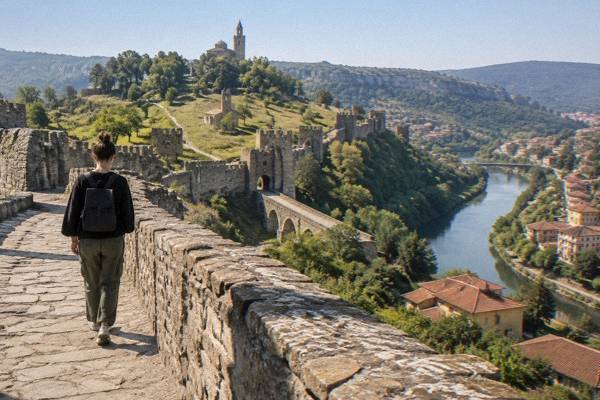
Veliko Tarnovo, the medieval capital of Bulgaria on the Yantra river, is a city where the core sights are state museums with printed euro prices. This guide lays out what each one charges, what reaching the city involves, and what costs nothing at all.
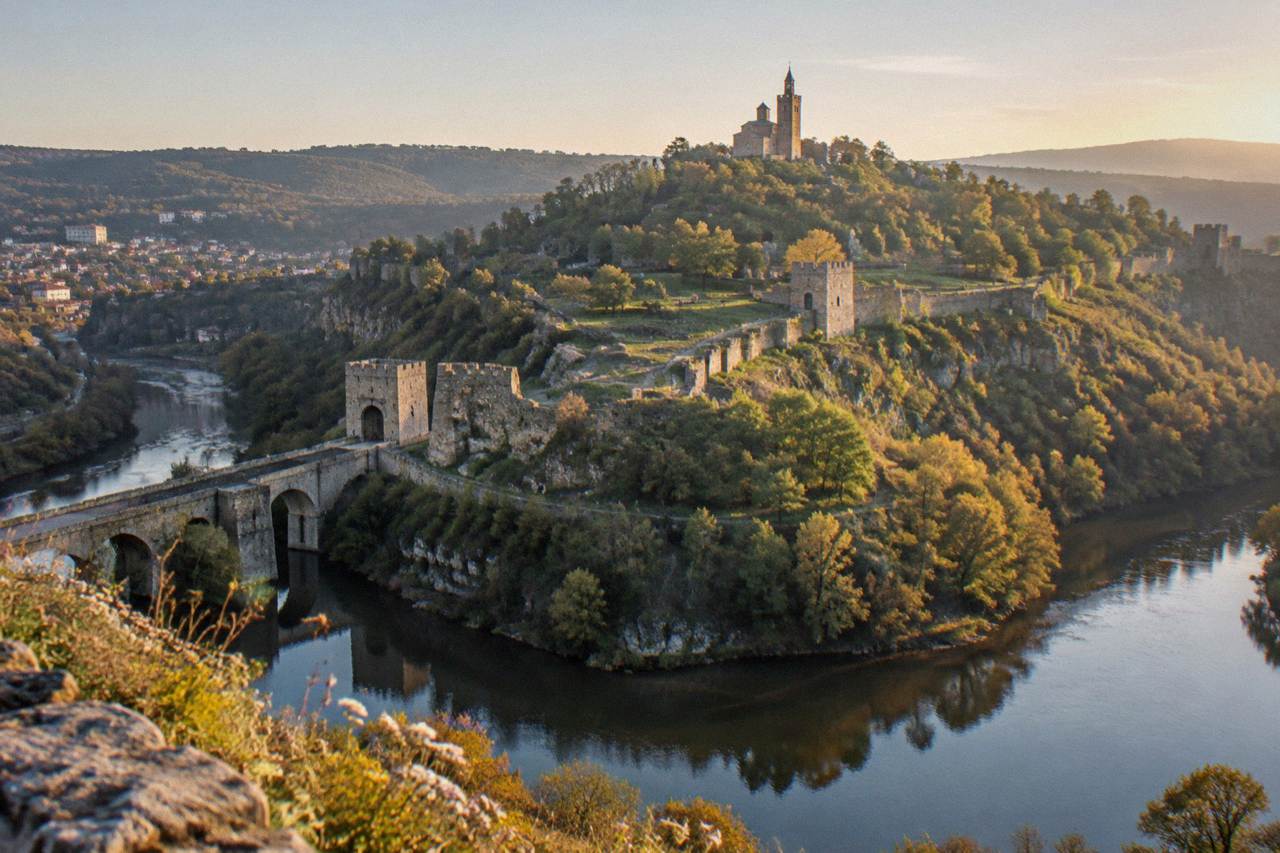
Entry to Tsarevets Fortress is 7.67 euro for an adult and 10.23 euro for a family ticket, per the Regional Museum of History's ticket page. Bulgaria has used the euro since 1 January 2026, so every museum price on this page is quoted in euro exactly as the museum prints it.
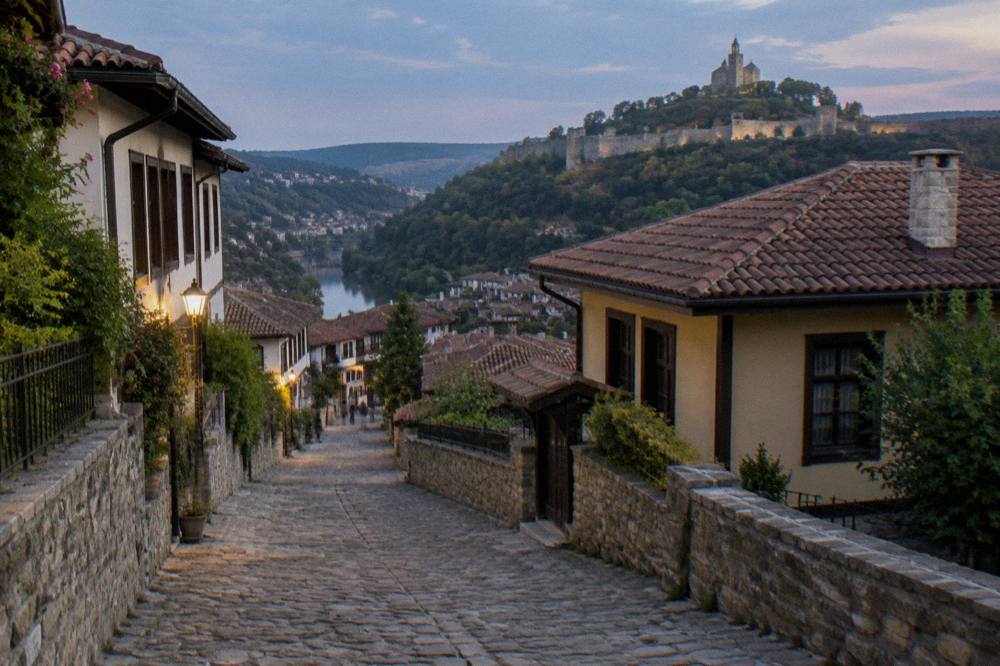
Veliko Tarnovo is an inland city in northern Bulgaria, built in the meanders of the Yantra river, and its headline cost is unusually easy to plan: the core sights are run by one operator, the Regional Museum of History, which prints its prices in euro on a single ticket portal. The fortress hill of Tsarevets, the Patriarchal Cathedral on it, Trapezitsa across the river, the Forty Martyrs church and the museum houses all carry listed figures, and the city's public spaces, from the Asenevtsi Monument to Samovodska Charshiya, carry none at all. Bulgaria adopted the euro on 1 January 2026 at a fixed rate of 1.95583 lev per euro, so the lev prices of older guidebooks are gone: everything below is in euro, quoted exactly as the museum prints it.
There is no airport with scheduled flights anywhere near the city, so a budget has to include a long final leg by train or bus, and that leg is the one part of the trip where the published figures are thinnest. For the wider planning picture, the things to see across the city and the best time to visit Veliko Tarnovo guides carry the context this one skips.
What Does A Trip To Veliko Tarnovo Cost Overall?
The single largest fixed cost is sightseeing, and it is small and fully published: the Regional Museum of History lists Tsarevets at 7.67 euro for an adult, Trapezitsa at 5.11 euro, and a two-day pass covering ten museum sites at 20.45 euro for an individual, valid 1 April to 30 November. Everything else in the city centre, from the Asenevtsi Monument to Gurko Street, is a public space with no ticket. Transport in, not attractions in town, is where the budget flexes.
The shape of a Veliko Tarnovo budget is therefore lopsided. Inside the city, the priced items are museum entries, a handful of paid experiences, and food. Getting there is a different matter: Sofia is about 223 km away by road, Varna about 214 and Bucharest Otopeni about 205, and no direct train runs from Sofia, so arrival involves either a bus of about three to three and a half hours or a train with a change at Gorna Oryahovitsa. The how to get to Veliko Tarnovo guide covers the routes in detail.
Two things keep the total unpredictable, and honesty about them is worth more than an invented daily figure. Second, restaurant prices in the city remain unstated, so no meal figure appears anywhere below. What can be stated is the museum tariff, in full, and that is where the next section starts.
What Do The Main Sights In Veliko Tarnovo Cost To Enter?
Every paid sight in the city centre is run by the Regional Museum of History, and its ticket page lists Tsarevets at 7.67 euro adult and 10.23 euro family, Trapezitsa at 5.11 euro adult and 7.67 euro family, and the Archaeological Museum, the Forty Martyrs church, the Konak and the Prison Museum each at 5.11 euro adult. A two-day pass across ten museum sites costs 20.45 euro individual, valid 1 April to 30 November. Children under 7 enter free everywhere.
Those are the printed figures, and they are stable across the museum's own listings. The family tickets are defined precisely: at Tsarevets, 10.23 euro covers parents plus up to 3 children aged 7 to 18. Reduced rates for students and seniors are listed for some sites (Trapezitsa lists 2.56 euro for students and for Bulgarian citizens over 60) but not for others, so check the ticket page for the site you have in mind and confirm before you go.
| Sight | Adult | Family |
|---|---|---|
| Tsarevets Architectural-Museum Reserve | 7.67 euro | 10.23 euro |
| Trapezitsa Architectural-Museum Reserve | 5.11 euro | 7.67 euro |
| Church of the Holy Forty Martyrs | 5.11 euro | 7.67 euro |
| Tsarevgrad Tarnov multimedia visitor centre | 7.67 euro | 15.34 euro |
| Archaeological Museum | 5.11 euro | 7.67 euro |
| Museum Revival and Constituent Assembly (the Konak) | 5.11 euro | Not published |
| Prison Museum | 5.11 euro | Not published |
| Sarafkina House | 5.11 euro | Not published |
| Church of the Nativity, Arbanasi | 7.67 euro | 12.78 euro |
| Church of Sts Archangels Michael and Gabriel, Arbanasi | 7.67 euro | 12.78 euro |
| Konstantsalieva House, Arbanasi | 7.67 euro | 12.78 euro |
| Nicopolis ad Istrum | 5.11 euro | Not published |
The two Arbanasi churches and Konstantsalieva House sit in the village about 2.8 km straight-line from the centre, so they belong to the same museum tariff even though they are a short hop out of town. Nicopolis ad Istrum, the Roman ruin on the Tentative List since 1984, is about 20 road km north and also charges 5.11 euro. Etar, the open-air museum near Gabrovo, is listed separately by its own operator: 7.16 euro adult, with a pensioner rate of 4.09 euro.
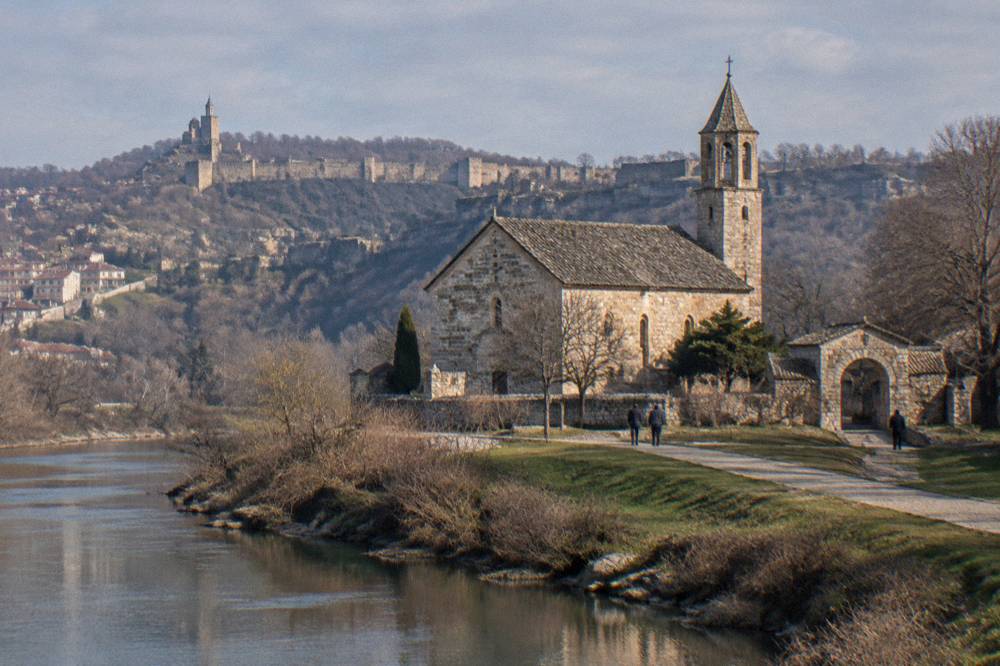
Hours matter as much as prices here, because the museum runs three seasons and the winter block starts on 25 October 2026. The table below is the current listed schedule.
| Sight | April to September | October | Winter from 25 October 2026 |
|---|---|---|---|
| Tsarevets | 08:00 to 20:00, last entry 19:00 | 09:00 to 18:00, last entry 17:00 | 09:00 to 16:00, closes 17:00 |
| Patriarchal Cathedral on Tsarevets | 09:00 to 19:00 | 09:15 to 17:30 | 09:15 to 16:45 |
| Trapezitsa | 09:00 to 19:00, last entry 18:00 | 09:00 to 18:00 | 09:00 to 16:00 |
| Church of the Holy Forty Martyrs | 09:00 to 18:00, last entry 17:30 | 09:00 to 17:00, last entry 16:30 | 09:00 to 17:00, last entry 16:30 |
| Archaeological Museum | 09:00 to 18:00, last entry 17:00 | 09:00 to 18:00, last entry 17:00 | 09:00 to 17:30, last entry 16:30 |
| Church of the Nativity, Arbanasi | 09:00 to 18:00 | 09:00 to 17:00 | 10:00 to 15:30 |
| Nicopolis ad Istrum | 09:00 to 18:00 | 09:00 to 17:00 | 09:00 to 16:30 |
Tsarevets has no closing day, though a Tuesday maintenance slot of 09:10 to 11:00 is listed on the ticket page. Trapezitsa has a harder edge: it is closed to visitors entirely from 30 November 2026 to 31 March 2027, and its funicular stops for the season on 31 October 2026, reopening 1 May. A winter trip therefore buys a different sight list, not just shorter hours, which is worth weighing before you pick dates.
Beyond the museum tariff, the city has a small roster of paid experiences: a seated Bulgarian wine tasting, guided and self-guided walks, an illusions museum and a Mini Bulgaria park entry.
How Much Does Getting To Veliko Tarnovo Cost?
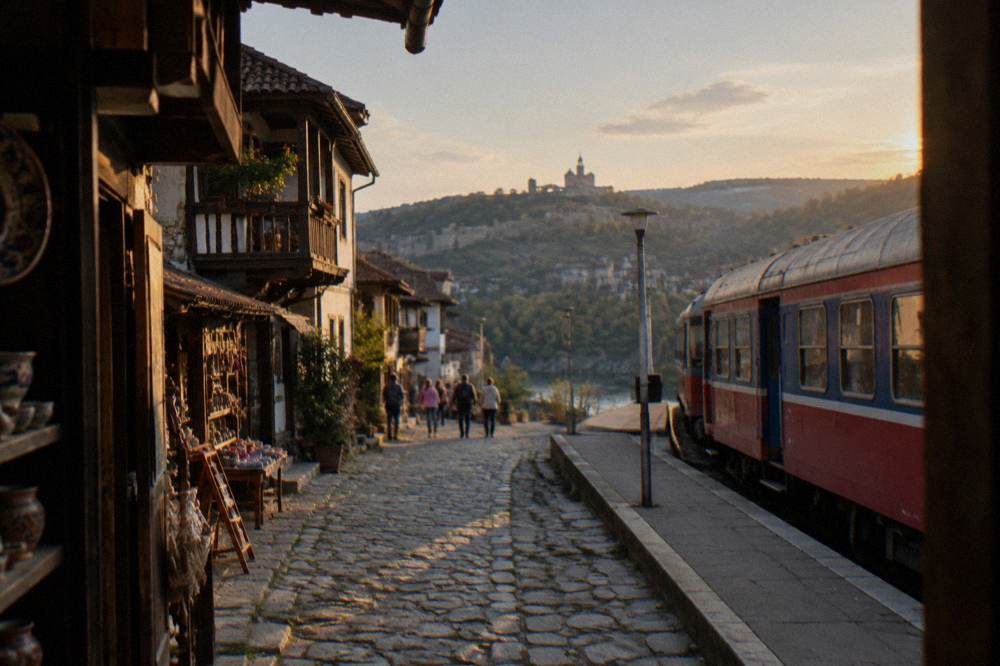
There is no flight to price: no airport with scheduled flights serves the city, so arrival runs through Sofia (about 223 road km), Varna (about 214) or Bucharest Otopeni (about 205) by bus or train. The bus from Sofia takes about 3 to 3.5 hours with several operators; by train there is no direct service, and the fastest connections on the current timetable take 4 h 33 min with a change, usually at Gorna Oryahovitsa.
The bus is the practical default from Sofia: services leave from the Yug station at 74 Hristo Botev Boulevard and run several times a day across different operators. From Bucharest, direct buses take about 3 h 50 min to 4 h 15 min. From Varna there are direct buses plus one direct train, at 3 h 53 min.
| Route | Fastest published connection | Notes |
|---|---|---|
| Sofia to Veliko Tarnovo, train | 4 h 33 min | No direct train; change, usually at Gorna Oryahovitsa |
| Sofia to Veliko Tarnovo, bus | about 3 to 3.5 hours | Several operators, Yug station |
| Varna to Veliko Tarnovo, train | 3 h 53 min direct | One direct train daily |
| Ruse to Veliko Tarnovo, train | 2 h 25 min direct | Also 2 h 33 min via Gorna Oryahovitsa |
| Bucharest to Veliko Tarnovo, bus | about 3 h 50 min to 4 h 15 min | Direct buses |
The train station and bus station guides carry the practical detail, and the nearest airport page sorts the three realistic gateways. Inside the city, the centre is compact enough that the walking-tour options are the main paid way to cover it; the open public spaces are free to walk on your own, and the walking tours on the roster are paid products.
One euro-specific point saves confusion at the till. Bulgaria adopted the euro on 1 January 2026 and the old lev is gone; any source still quoting lev, or any price ending in odd cents like 7.67, is a converted legacy figure, which is exactly what the museum prints. The euro and money in Bulgaria guide explains the changeover, the 1.95583 fixed rate and card acceptance in full.
Where Does The Money Go On Food And Drink In Veliko Tarnovo?
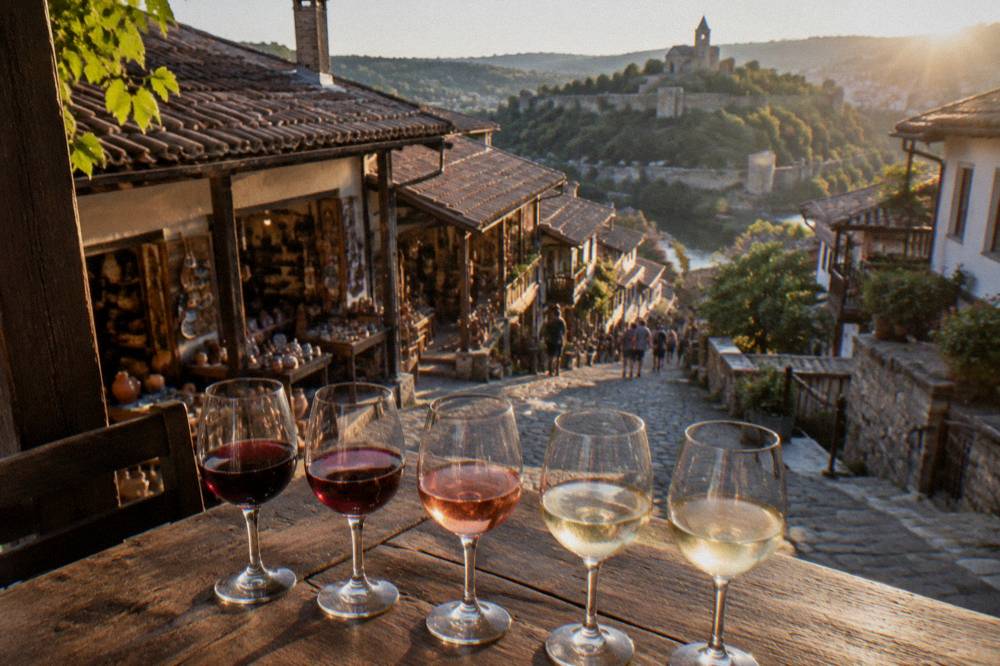
No restaurant price in Veliko Tarnovo was confirmed for this page, so no meal figure is quoted here: the honest budget line is to plan on checking the room, as menu prices sit outside every published source this site holds. What is published is the drinking side of the culture: a seated Bulgarian wine tasting in the city centre is a bookable experience whose live price renders below, and the Bulgarian food tradition, from banitsa to mehana cooking, is documented on the food guides.
Still deciding where to sleep on a budget. Book a hostel bed.
That restraint is deliberate. Invented meal averages are the commonest failure in cost guides, and a number that looks plausible is still a number nobody checked. What a planner can do instead is fix the priced anchors: the wine tasting below, the sight tariff above, and the understanding that a mehana dinner is the main nightly variable to absorb.
The wine itself is worth the line item. Bulgaria has a long vineyard tradition, and a structured tasting is the cheapest way into it, sitting inside the same budget band as a museum ticket rather than a day trip. The Bulgarian food and rakia and Bulgarian wine traditions are covered on their own pages.
What Is Free To Do In Veliko Tarnovo?
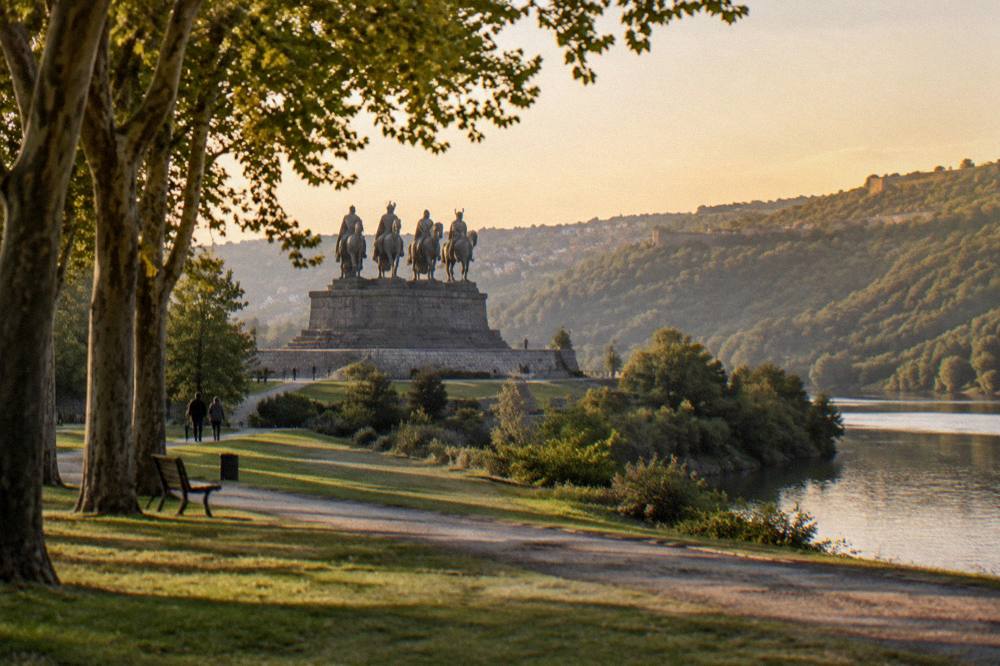
The free list is short and exact: the Asenevtsi Monument, Samovodska Charshiya, General Gurko Street, the Varosha quarter, watching the Sound and Light show from Tsar Asen I Square, and the Church of the Nativity in Arbanasi on 25 December 2026, the church's feast day. Nothing else on this page is free, and the fortress perimeter, parks and riverbank are not on the free list because no ticket page describes them as such.
The Sound and Light item deserves its own sentence, because it is widely misdescribed. The Sound and Light show guide holds the detail.
Walking these free spaces costs nothing and needs no guide. For travellers used to tip-based city walks elsewhere in Europe, the position here is plain: the open public spaces are free to walk on your own, and the walking tours on the roster are paid products.
How Much Do Day Trips From Veliko Tarnovo Cost?
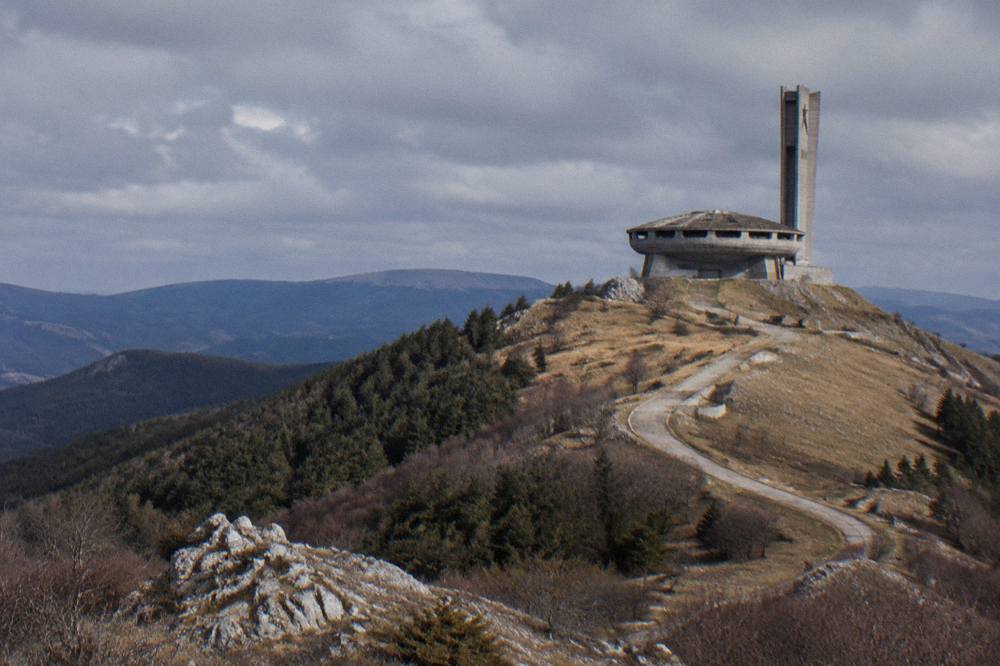
Day trips split into two cost shapes: museum sites with printed euro tickets, such as Etar at 7.16 euro adult and Nicopolis ad Istrum at 5.11 euro, and everything else, from Bacho Kiro cave to Krushuna Falls and Shipka, for which hours and prices do not appear on a primary page. Organised day trips from the city, such as the Buzludzha and Shipka tour, price from their live listings.
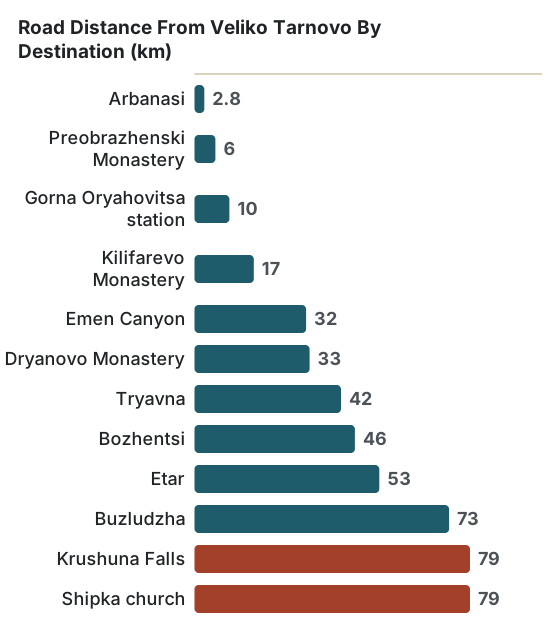
The distances are the reliable planning fact, because they were computed from the road network and they set both the fuel budget and the realistic radius for a single day. The table gives the road kilometres from the centre.
| Destination | Road distance from Veliko Tarnovo |
|---|---|
| Arbanasi | about 2.8 km straight-line |
| Preobrazhenski Monastery | about 6 km |
| Gorna Oryahovitsa station | about 10 km |
| Kilifarevo Monastery | about 17 km |
| Emen Canyon | about 32 km |
| Dryanovo Monastery | about 33 km |
| Tryavna | about 42 km |
| Bozhentsi | about 46 km |
| Etar | about 53 km |
| Buzludzha | about 73 km |
| Krushuna Falls | about 79 km |
| Shipka church | about 79 km |
| Lovech | about 86 km |
| Devetashka Cave | about 89 km |
| Kazanlak tomb | about 98 km |
| Ruse | about 105 km |
| Ivanovo churches | about 128 km |
Two corrections guard this table. The Kazanlak Thracian Tomb and the Rock-Hewn Churches of Ivanovo are the region's two inscribed UNESCO World Heritage Sites, both from 1979; nothing in Veliko Tarnovo itself is inscribed or on the Tentative List, a claim older guides make freely. And Emen Canyon, about 32 km by road, is described by the municipal tourism site as 20 km west of the city: both figures are true in their own terms, straight-line direction versus driven route.
For the unpriced sites, the rule is uniform: check the current price on the official ticket page before booking, or fold them into an organised tour whose listing carries the live figure. The Buzludzha and Shipka day trip below is the clearest example, since the Buzludzha monument's interior is reported closed and exterior viewing is what a visit means there.
Does The Season Change What A Veliko Tarnovo Trip Costs?
Yes, and sharply: the winter block from 25 October 2026 cuts opening hours at every museum site, closes Trapezitsa entirely from 30 November 2026 to 31 March 2027, stops its funicular on 31 October 2026, and reduces Konstantsalieva House in Arbanasi to Friday, Saturday and Sunday only, while ticket prices themselves stay the same. The climate, an ERA5 reanalysis for 1991-2020, puts the mean daily high at 28.1 C in August against 4.9 C in January.
In other words, the euro figure on the ticket does not move with the season, but what that ticket buys does. A late-autumn visitor pays 5.11 euro for Trapezitsa in October and cannot enter it at all from late November. The two-day museum pass is valid only 1 April to 30 November, so a winter trip cannot use it. The Christmas market in Marno Pole park runs on a late-November-to-1-January pattern, but its 2026 dates had not been announced when this page was written.
| Month | Mean daily high | Mean daily low | Rain |
|---|---|---|---|
| January | 4.9 C | -3.8 C | 56.1 mm |
| February | 7.2 C | -2.3 C | 54.1 mm |
| March | 11.5 C | 1.4 C | 68.6 mm |
| April | 16.9 C | 6.0 C | 71.6 mm |
| May | 21.7 C | 11.1 C | 95.7 mm |
| June | 25.4 C | 15.1 C | 85.0 mm |
| July | 27.6 C | 17.2 C | 79.5 mm |
| August | 28.1 C | 17.1 C | 51.3 mm |
| September | 23.3 C | 12.9 C | 63.0 mm |
| October | 17.6 C | 8.0 C | 58.9 mm |
| November | 11.8 C | 3.1 C | 54.5 mm |
| December | 6.1 C | -1.7 C | 60.6 mm |
Those are modelled normals from the ERA5 reanalysis, 1991-2020, not a station record, and the rainfall column rewards a close read: May carries 95.7 mm and August 51.3 mm, so the shoulder months are not simply drier or wetter than summer in a straight line. The weather and spring and autumn guides work through what each month means for a visit.
The closure ledger for winter 2026/27, in one place:
| Site or service | Winter 2026/27 status |
|---|---|
| Trapezitsa | closed 30 November 2026 to 31 March 2027 |
| Trapezitsa funicular | stops 31 October 2026, reopens 1 May |
| Konstantsalieva House, Arbanasi | Friday to Sunday only, 30 November 2026 to 20 March 2027 |
| Kilifarevo museum | closed 30 November 2026 to 30 March 2027 |
| Museum of New and Newest History | temporarily not accepting visitors |
| St Dimitar church | winter visits by prior request |
| Museum hours generally | winter block starts 25 October 2026 |
Where Should The Rest Of The Veliko Tarnovo Budget Go?
The fixed, publishable costs are the museum tariff, the transport legs, and any booked experience, and the flexible one is food.
The practical sequencing for a two-day visit is straightforward on paper. Day one absorbs the fortress tariff and the free riverbank spaces; day two takes Trapezitsa or the Arbanasi trio, both at 5.11 to 7.67 euro per adult. A three-day plan stretches to Nicopolis ad Istrum at 5.11 euro or an organised day trip whose price renders live from the listing. The where to stay decisions interact with all of this, since the Varosha side keeps the walkable core close.
A closing note on how to read every figure above. The museum prices are the operator's own printed euro tariffs, the hours are the museum's seasonal blocks, the climate is a modelled reanalysis, and the tour prices render from live listings rather than from this page. Where a number did not exist in those sources, the section said so plainly and moved on: check the current price on the official ticket page before booking, and the rest of the budget will hold. For the wider trip frame, the Veliko Tarnovo Travel Guide homepage collects the itineraries, day trips and sight guides in one place.
Common Questions About Veliko Tarnovo Costs
How much does it cost to visit Tsarevets Fortress?
The Regional Museum of History's ticket page lists 7.67 euro for an adult and 10.23 euro for a family ticket covering parents plus up to 3 children aged 7 to 18. Children under 7 enter free. A guided talk costs 15.34 euro in Bulgarian, 20.45 euro translated and 25.56 euro in a foreign language.
Does Bulgaria still use the lev?
No. Bulgaria adopted the euro on 1 January 2026 at a fixed rate of 1.95583 lev per euro, and it is a full Schengen member since 1 January 2025. Every price in the city is quoted in euro.
What is free in Veliko Tarnovo?
The Asenevtsi Monument, Samovodska Charshiya, General Gurko Street, the Varosha quarter, and watching the Sound and Light show from Tsar Asen I Square on its announced evenings. The Church of the Nativity in Arbanasi is free on 25 December 2026, the church's feast day.
How much is the Sound and Light show?
Watching from Tsar Asen I Square is free.
Do prices change in winter?
The ticket prices stay the same, but winter hours start on 25 October 2026, Trapezitsa closes from 30 November 2026 to 31 March 2027, its funicular stops on 31 October 2026, and the two-day museum pass is valid only 1 April to 30 November.