Where To Stay In Veliko Tarnovo: Areas Compared
Veliko Tarnovo is an inland city in Bulgaria on the Yantra river, and its sleeping quarters split neatly into the modern centre, the old Varosha quarter, the streets below Tsarevets Fortress and the village of Arbanasi. Here is how the four compare.
Stay in the city centre or Varosha for a first visit on foot, below Tsarevets for the fortress and the Sound and Light viewing square, and in Arbanasi if you want a quiet village base with car access, about 2.8 km straight-line from the centre.
Veliko Tarnovo climbs the hills on both sides of the Yantra river, and the shape of that terrain decides where it makes sense to sleep. The municipality had an estimated 77,067 residents on 31 December 2025, the city was the capital of the Second Bulgarian Kingdom for more than two centuries from the late 12th century, and its hotel stock clusters in four zones: the modern centre, the old Varosha quarter, the slopes around Tsarevets Fortress, and the village of Arbanasi, about 2.8 km straight-line from the centre. Hotel listings in all four were checked for existence only and carry no rates, so this page compares the areas, the sight prices you will pay around them, and the seasonal hours that change a stay. For a broader look at the sights themselves, start with things to do in Veliko Tarnovo.
Which Area Of Veliko Tarnovo Suits Your Trip?
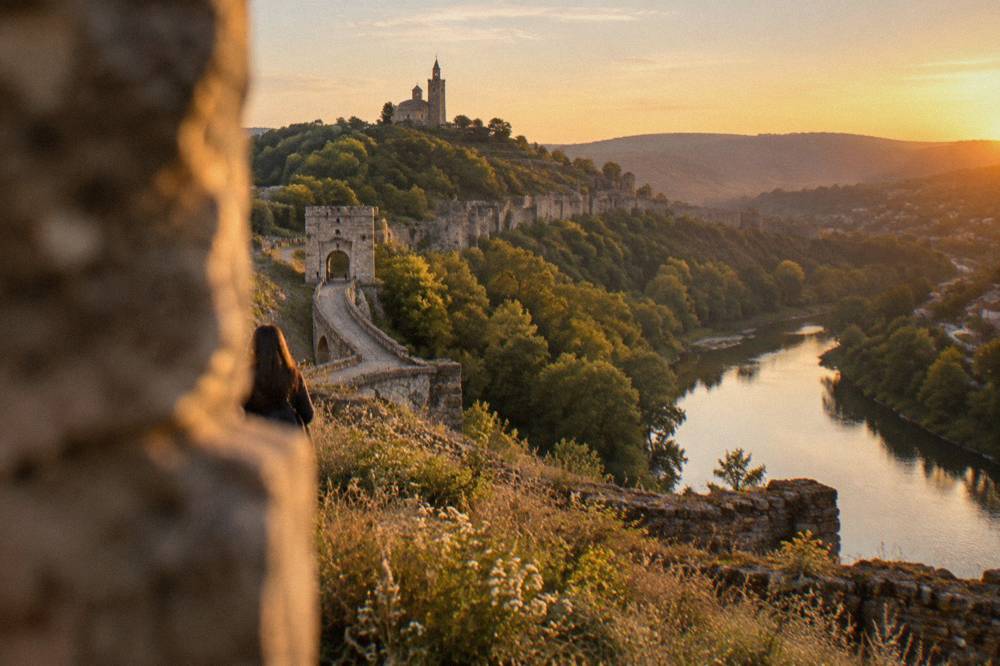
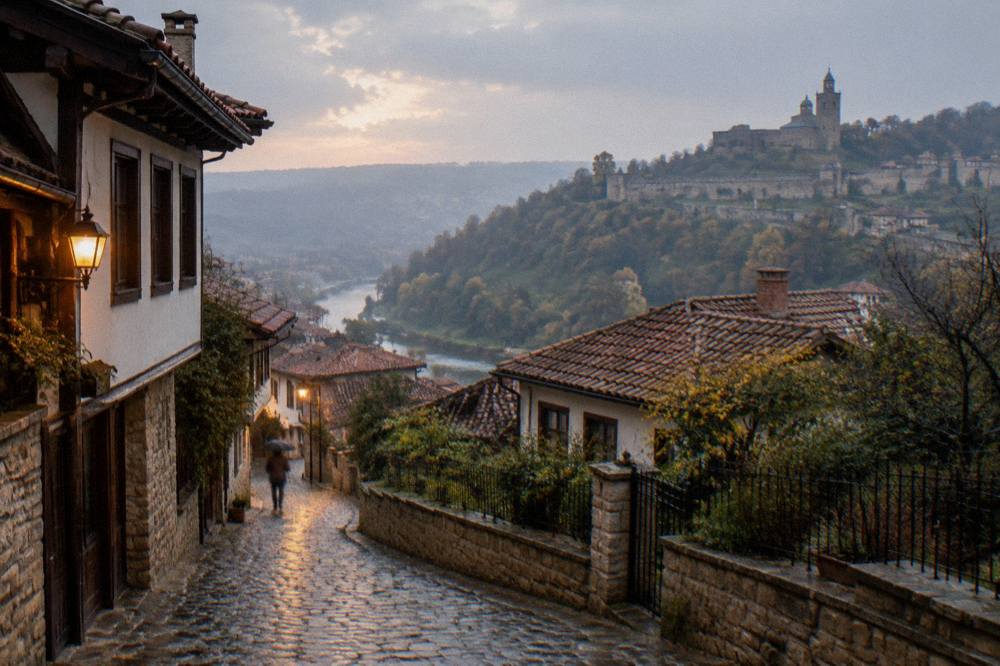
The best base for a first visit is the city centre or the Varosha old quarter, because the museum sites, the viewing square for the Sound and Light show and the eating streets sit within one walkable hillside. The slopes below Tsarevets Fortress suit travellers whose days revolve around the fortress and the river views, while Arbanasi village, about 2.8 km straight-line from the centre, is the quiet base for a car trip or a rest stay. There is no sea coast anywhere near this inland city.
With the sights spread over one walkable hillside, book a guided walking tour.
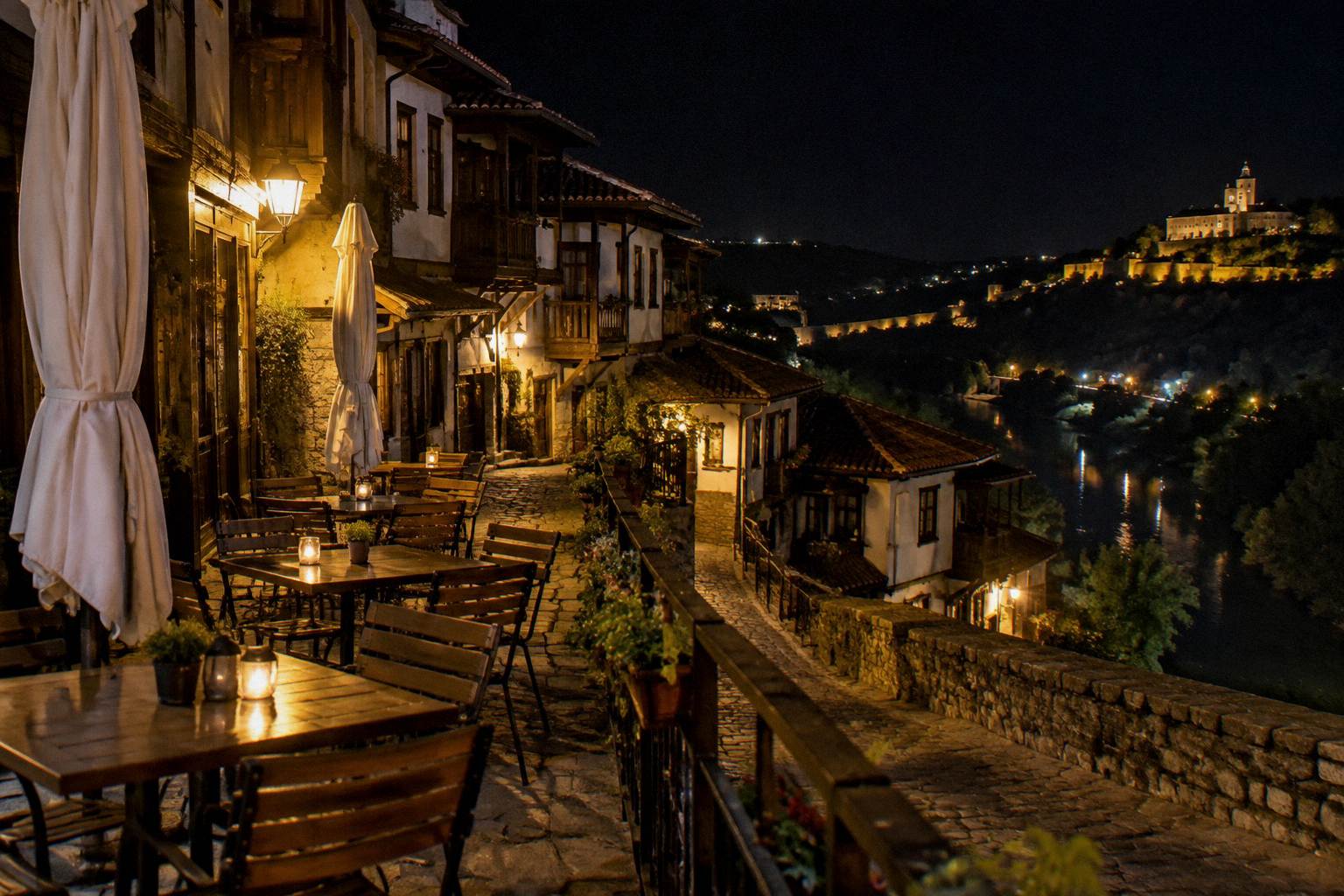
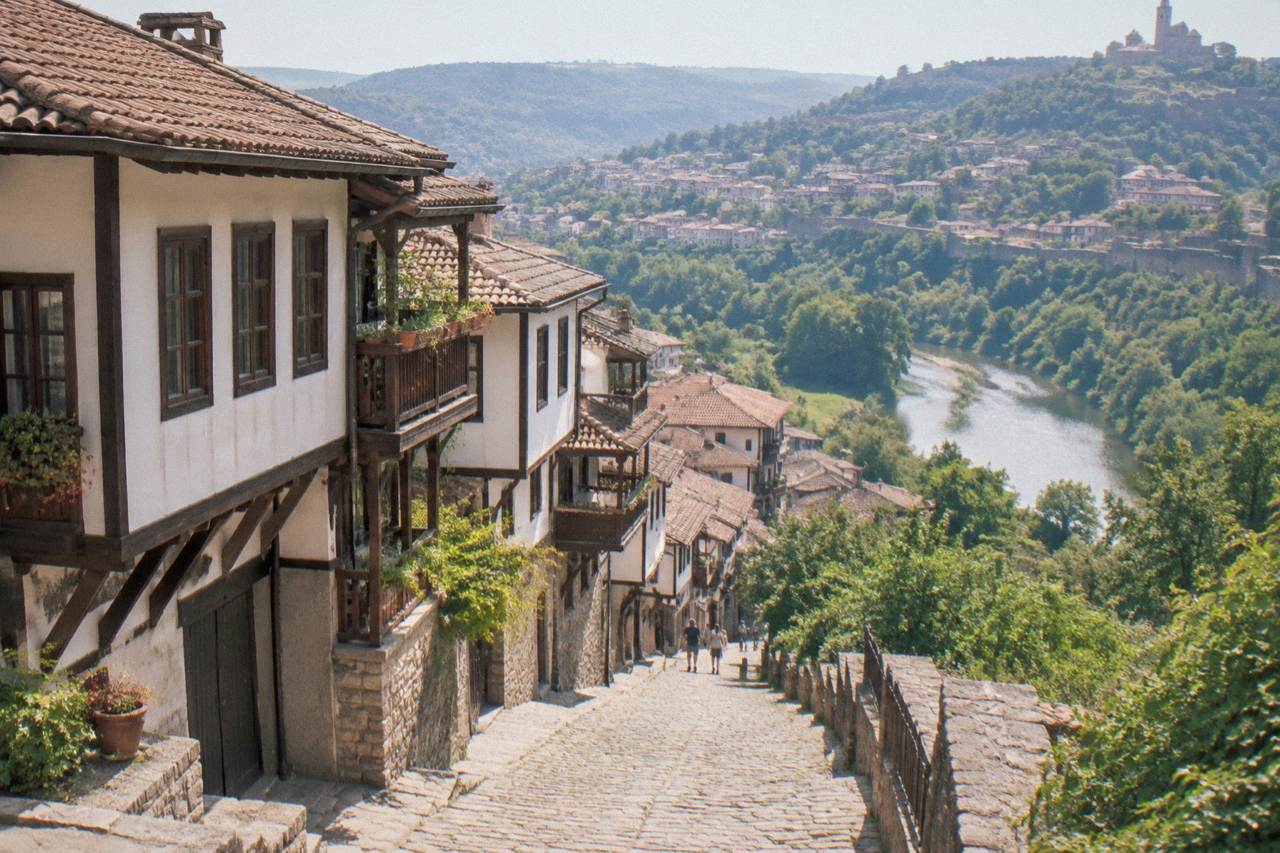
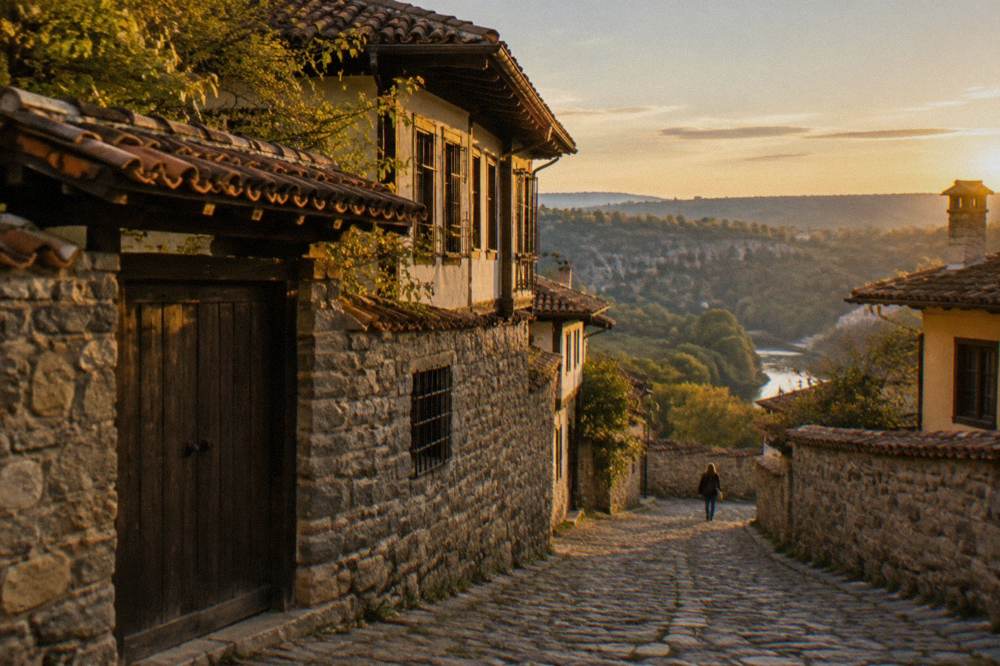
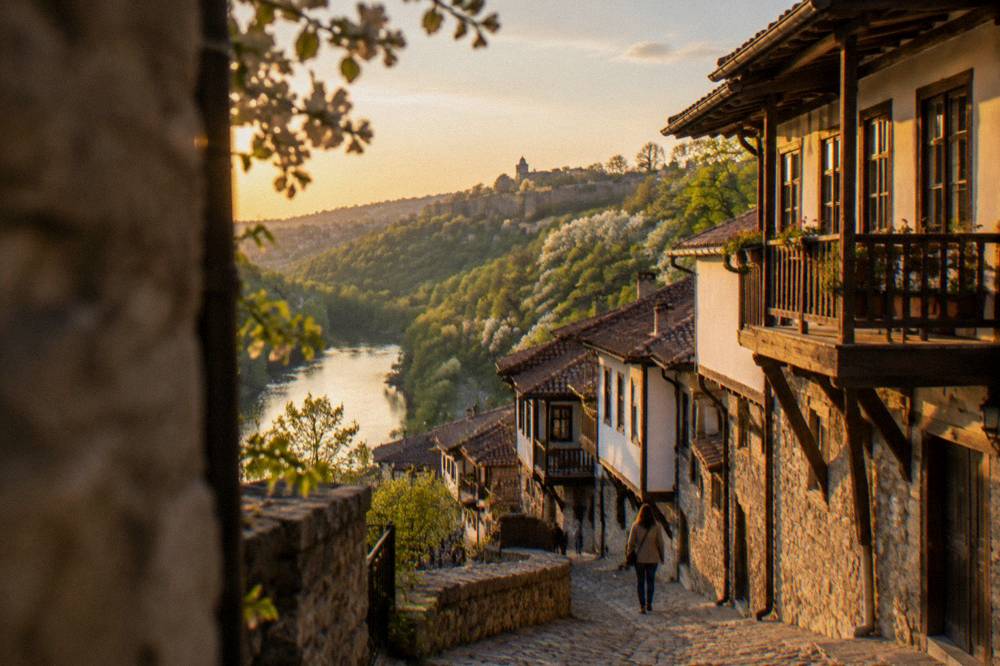
Those four zones behave differently at different times of year. The centre holds the shops and the train and bus connections, and the Veliko Tarnovo city centre guide covers it in detail. Varosha is the old quarter on the hill west of the centre, its lanes threaded by General Gurko Street and the Samovodska Charshiya craft street, all free public spaces you can walk at any hour. The fortress side gathers around the foot of Tsarevets and Tsar Asen I Square, where the Sound and Light show is watched free of charge on its announced evenings. Arbanasi sits on the plateau northeast of the city, a village of churches and revived houses rather than a neighbourhood of the town itself.
| Area | Character | Suits | Trade-off |
|---|---|---|---|
| City centre | Modern shops, the main square, eating streets | First visits, no-car travel | Least historic atmosphere |
| Varosha old quarter | Revival-era lanes, Gurko Street, Samovodska Charshiya | Walkers, photographers | Hills on every route out |
| Below Tsarevets | The fortress foot and Tsar Asen I Square | Fortress days, Sound and Light evenings | Steep ground in every direction |
| Arbanasi village | Village calm, museums in old houses, about 2.8 km straight-line from the centre | Car travellers, rest stays | A drive back for city sights |
The choice also depends on season. Winter hours at the museum sites start on 25 October 2026, Trapezitsa is closed to visitors from 30 November 2026 to 31 March 2027, and the Museum of New and Newest History is temporarily not accepting visitors, so a winter stay leans harder on the free public spaces and the fortress itself, which keeps daily hours through the cold months. The Veliko Tarnovo in winter guide works through that calendar. If you are still deciding between this city and another part of the country, the question which part of Bulgaria is best to stay in sets out the wider map.
Where To Stay To Be Near Tsarevets Fortress And The Old Town Sights?
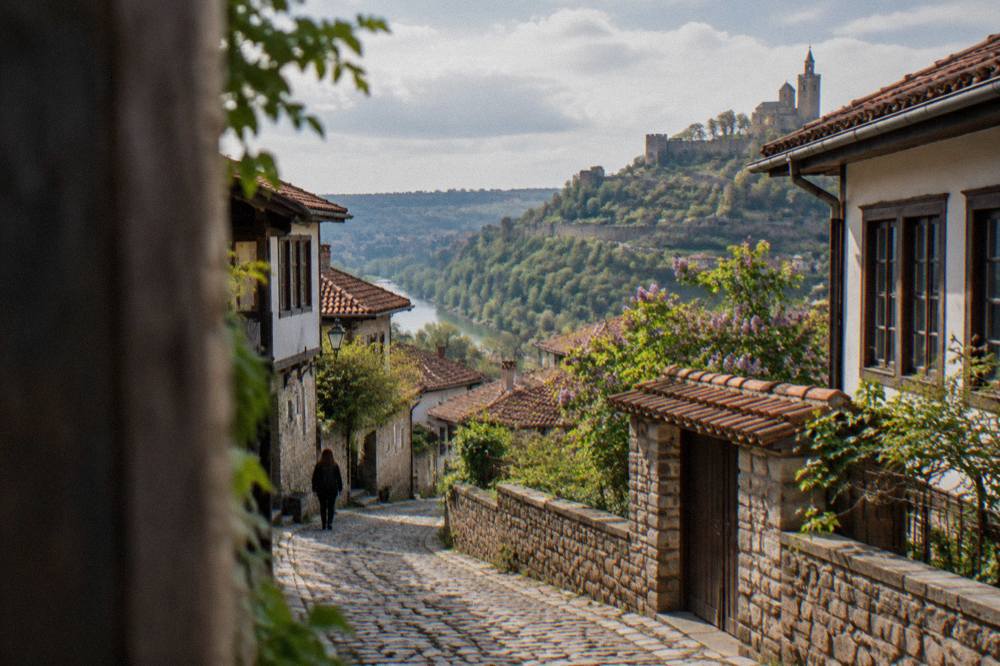
Sleeping below or beside Tsarevets puts the fortress at the door: an adult ticket to the reserve is 7.67 euro, with a family ticket at 10.23 euro for parents and up to three children aged 7 to 18, per the Regional Museum of History's ticket page. From April to September the fortress is open daily 08:00 to 20:00, last entry 19:00, and in October 09:00 to 18:00. Winter hours from 25 October 2026 take entry to 09:00 to 16:00.
The fortress has no closing day, though a two-hour Tuesday maintenance slot from 09:10 to 11:00 is listed on the ticket page, worth knowing if Tuesday is your fortress morning. The Patriarchal Cathedral of the Holy Ascension on the hill is covered by the same ticket and keeps its own hours, 09:00 to 19:00 from April to September and 09:15 to 16:45 in winter. Around the reserve, the paid sights cluster tightly, and their prices set the real cost of a fortress-side stay beyond the room itself.
| Sight | Adult ticket | Family ticket | April to September hours |
|---|---|---|---|
| Tsarevets Architectural-Museum Reserve | 7.67 euro | 10.23 euro | Daily 08:00 to 20:00, last entry 19:00 |
| Trapezitsa Architectural-Museum Reserve | 5.11 euro | 7.67 euro | Daily 09:00 to 19:00, last entry 18:00 |
| Church of the Holy Forty Martyrs | 5.11 euro | 7.67 euro | 09:00 to 18:00, last entry 17:30 |
| Archaeological Museum | 5.11 euro | 7.67 euro | 09:00 to 18:00, last entry 17:00 |
Two seasonal notes change those rows. Trapezitsa is closed to visitors from 30 November 2026 to 31 March 2027, and its funicular stops for the season on 31 October 2026, running only from 1 May to 31 October between 09:00 and 16:00 with a lunch break from 12:00 to 13:00. The Trapezitsa constraint matters for the slopes: the site reopens 1 April. The museum network also sells a two-day pass covering 10 museum sites for 20.45 euro individual or 25.56 euro family, valid 1 April to 30 November, which rewards a fortress-side stay of two or more days. Children under 7 enter free across the network, as do people with permanent disabilities together with an assistant.
Evenings belong to the show. Sound and Light runs on announced evenings only, with no fixed schedule, and watching from Tsar Asen I Square in front of Tsarevets is free, which is the quiet argument for a room on the fortress side: the viewing square is a short walk from the door. The Sound and Light show guide explains how the announced dates work.
If you would rather carry your own commentary than follow a guide, the self-guided audio tour of the city and Tsarevets pairs well with a fortress-side base: Check availability.
Is Arbanasi A Good Base For A Stay?
Arbanasi is a village of its own on the plateau about 2.8 km straight-line northeast of the centre, with museum churches and revived houses rather than city streets, and it suits a car-based stay or a quiet rest more than a walking visit. Its three main museum sites each charge 7.67 euro adult and 12.78 euro family, per the museum's ticket pages, and from April to September all three are open 09:00 to 18:00.
The village's sights are run by the same Regional Museum of History as the city sites. Konstantsalieva House, a museum in a revived house, is the one with a winter restriction worth planning around: from 30 November 2026 to 20 March 2027 it opens Friday, Saturday and Sunday only, 10:00 to 16:00. The Church of the Nativity has one remarkable exception in its calendar, free entry on the church feast on 25 December 2026, and its winter hours otherwise run entry from 10:00 to 15:30.
| Arbanasi site | Adult ticket | Family ticket | October hours |
|---|---|---|---|
| Church of the Nativity | 7.67 euro | 12.78 euro | 09:00 to 17:00 |
| Church of Sts Archangels Michael and Gabriel | 7.67 euro | 12.78 euro | 09:00 to 17:00 |
| Konstantsalieva House | 7.67 euro | 12.78 euro | 09:00 to 17:00 |
Arbanasi also carries the area's cultural calendar. Arbanasi Summer Music, a festival of classical chamber music in the medieval churches, ran 15 to 25 July 2026, and the village shares in the city's events, including Veliko Tarnovo Day on 22 March. Without a car, the village is a taxi or a booked trip rather than a commute, so treat it as a base for drivers and for visitors who want the plateau's quiet over the city's slopes. The Arbanasi guide covers the village on its own page.
What Does A Stay In Veliko Tarnovo Cost Beyond The Room?
The published costs around a stay are the museum tickets: 7.67 euro at Tsarevets and the Arbanasi sites, 5.11 euro at Trapezitsa, the Forty Martyrs church and the Archaeological Museum, and 7.67 euro at the Tsarevgrad Tarnov multimedia centre, per the museum's ticket pages. Accommodation may add a per-night tourist tax, and you should confirm at booking.
That restraint is deliberate. Room prices in the centre, Varosha, the fortress slopes and Arbanasi move with season and room type, so the honest planning method is to budget the fixed, published costs and check the room rate at booking. The two-day museum pass at 20.45 euro individual, valid 1 April to 30 November, is the one bundled figure the museum publishes, and it is the clearest fixed cost of a two-day sightseeing stay. The wider set of guides lives on Veliko Tarnovo Travel Guide.
| Fixed cost | Price | Notes |
|---|---|---|
| Tsarevets adult entry | 7.67 euro | Family 10.23 euro |
| Two-day museum pass, 10 sites | 20.45 euro individual | Valid 1 April to 30 November |
| Trapezitsa funicular return | 5.11 euro | Runs 1 May to 31 October |
| Nicopolis ad Istrum | 5.11 euro | Roman site about 20 km north |
Beyond the fixed costs, a stay can be filled with paid experiences that render their own prices and ratings. A full-day private eco tour is one option that covers the countryside around the city rather than a single sight, and it sits well with an Arbanasi or car-based base.
When Is The Best Time Of Year To Stay In Veliko Tarnovo?
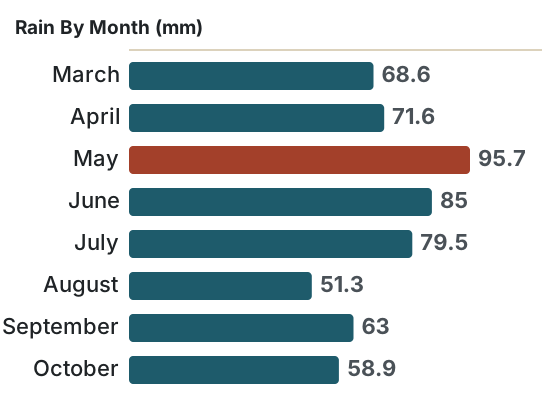
The ERA5 reanalysis for Veliko Tarnovo, 1991-2020, puts the mean daily high at 28.1 C in August and 27.6 C in July, with the mean daily low at -3.8 C in January, and May carries the highest monthly rainfall at 95.7 mm while August carries the lowest at 51.3 mm. Late spring and early autumn pair warm days with the full summer opening hours, and winter pairs short days with the fortress's year-round schedule.
The seasonal calendar matters as much as the weather. Summer hours, the long 08:00 to 20:00 fortress day and the funicular running 1 May to 31 October, belong to the warm half of the year. From 25 October 2026 the museum sites move to winter hours, and the closures follow: the funicular stops on 31 October, Trapezitsa closes from 30 November 2026 to 31 March 2027, and Konstantsalieva House in Arbanasi drops to weekends. The best time to visit guide and the weather page carry the full picture.
| Month | Mean daily high | Mean daily low | Rain |
|---|---|---|---|
| March | 11.5 C | 1.4 C | 68.6 mm |
| April | 16.9 C | 6.0 C | 71.6 mm |
| May | 21.7 C | 11.1 C | 95.7 mm |
| June | 25.4 C | 15.1 C | 85.0 mm |
| July | 27.6 C | 17.2 C | 79.5 mm |
| August | 28.1 C | 17.1 C | 51.3 mm |
| September | 23.3 C | 12.9 C | 63.0 mm |
| October | 17.6 C | 8.0 C | 58.9 mm |
Those figures are modelled normals from a reanalysis grid cell, not a weather-station record, and they describe climate rather than any given week. What they do settle is wardrobe: a Varosha or fortress-slope stay means hills on every route, and the wettest months are May and June at 95.7 mm and 85.0 mm. The spring and autumn guide covers the shoulder seasons, when the summer hours are still in force from April onward.
How Do You Reach Your Hotel Without A Car?
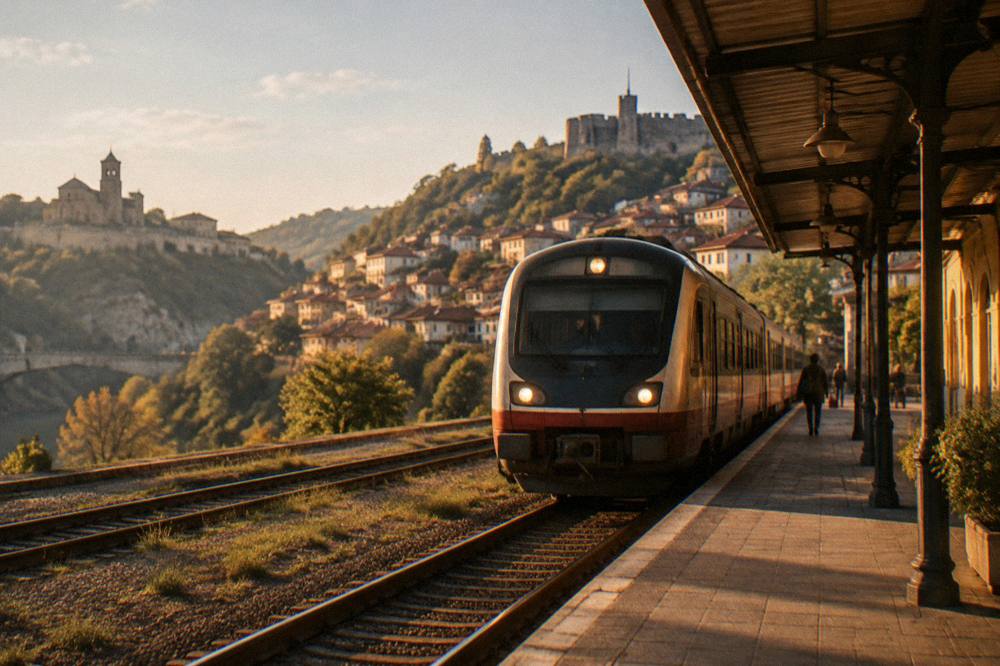
Arrival is by Sofia, Varna or Bucharest Otopeni airport, none of them in the city: Sofia is about 223 road km, Varna about 214 and Bucharest Otopeni about 205. There is no direct train from Sofia, with the fastest changes at Gorna Oryahovitsa taking 4 h 33 min on the 17 October 2026 timetable, while Ruse has a direct train at 2 h 25 min and Varna one direct train at 3 h 53 min. Buses serve the Yug station at 74 Hristo Botev Blvd near the centre.
The station geography favours a central or Varosha base for car-free travel. Yug, the southern bus station, handles the Sofia, Varna and international services, and Zapad on Nikola Gabrovski Blvd handles regional routes, so a room between the centre and Varosha keeps both walkable. The how to get to Veliko Tarnovo guide and the train station page carry the full arrival detail, and the nearest airport page settles the flight question: no scheduled-flight airport serves the city itself.
| Route to the city | Road distance | Rail note |
|---|---|---|
| From Sofia | about 223 km | No direct train, fastest 4 h 33 min with changes |
| From Ruse | about 105 km | Direct train 2 h 25 min |
| From Varna | about 214 km by airport | One direct train, 3 h 53 min |
| From Bucharest | about 179 km | Direct buses from the capital |
Once in the city, the hills do the sorting. Getting around on foot is free and the public spaces are open at all hours, and the getting around guide covers the rest, while car rental and parking matter mainly for an Arbanasi base. Bulgaria is a full Schengen member since 1 January 2025 and uses the euro since 1 January 2026, and the single European emergency number is 112.
What Can You Do In The Evening Near Each Area?
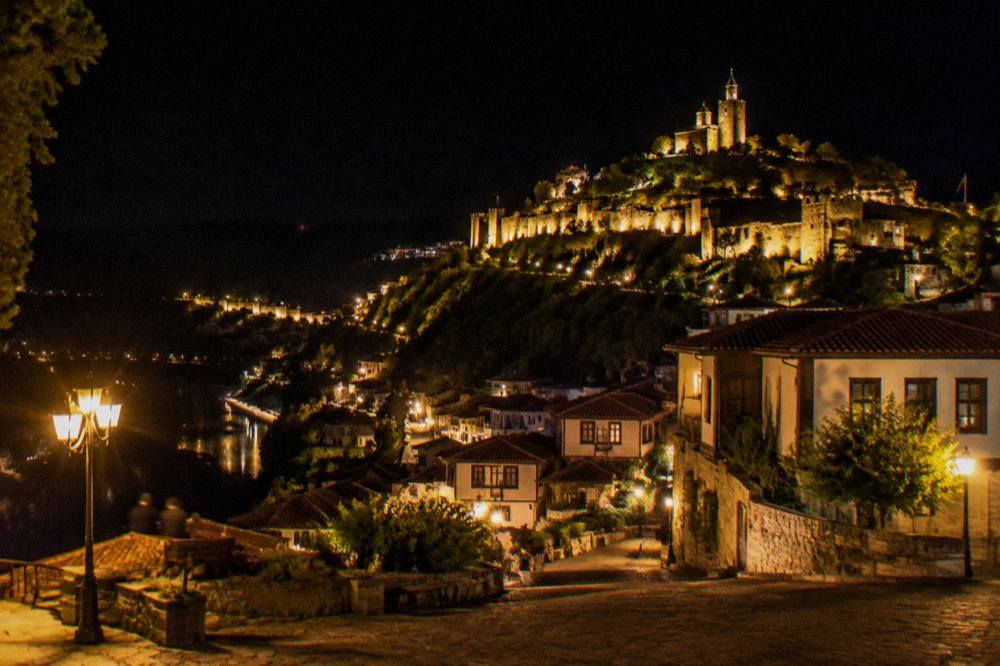
Evening activity centres on the centre and the fortress side: Sound and Light runs on announced evenings and is watched free from Tsar Asen I Square, the Christmas market fills Marno Pole park in the late-November-to-1-January pattern, and the eating streets sit in the centre. Varosha offers quiet lanes and river views after dark, while Arbanasi is an early-to-bed village base. The paid evening options are the booked experiences, including tastings and talks.
The show calendar is the anchor. Performances were confirmed around the 2026 Independence Day celebrations on 22 September, with the manifesto read at the Church of the Holy Forty Martyrs on that date in 1908, and the programme page for Sound and Light lists each announced evening as it is set. A wine tasting is the one evening product on the roster with a city-centre setting, and the rakia and Bulgarian wine guide gives it context.
For families or quieter evenings, the interactive presentation about Bulgarian poets runs indoors and needs no hill, and the Illusions museum ticket is another indoor option listed on the roster. The Veliko Tarnovo nightlife page and the restaurants guide cover the rest of the evening, though no restaurant or bar name is recommended on this page.
Common Questions About Where To Stay In Veliko Tarnovo
Where to stay in Veliko Tarnovo for a first visit?
The city centre or the Varosha old quarter puts the museum sites, Tsar Asen I Square and the eating streets within one walkable hillside, and the bus and rail arrivals land closest to the centre. The fortress slopes suit visitors whose days revolve around Tsarevets, and Arbanasi suits car travel and quiet stays.
Is it better to stay in the centre or in Arbanasi?
The centre suits a car-free visit built on the museum sites and the free public spaces. Arbanasi, about 2.8 km straight-line from the centre, is a village base with its own museum churches at 7.67 euro adult entry, and it works best with a car.
How much does it cost to stay in Veliko Tarnovo?
The fixed published costs are the sight tickets: 7.67 euro at Tsarevets and the Arbanasi sites, 5.11 euro at Trapezitsa, the Forty Martyrs church and the Archaeological Museum, and a two-day museum pass at 20.45 euro individual.
Where is the best place to watch the Sound and Light show from?
Tsar Asen I Square in front of Tsarevets is the free public viewing point, which makes the fortress side of the city the most convenient base for show evenings. The show runs on announced evenings only, with no fixed schedule, so check the programme for your dates.
Do hotels in Veliko Tarnovo close in winter?
No hotel in Veliko Tarnovo closes for the winter. What changes in winter is the sight calendar: museum hours shift from 25 October 2026, the Trapezitsa funicular stops on 31 October, Trapezitsa closes from 30 November 2026 to 31 March 2027, and Konstantsalieva House in Arbanasi opens Friday to Sunday only through the cold months.
Can you visit Veliko Tarnovo without a car?
Yes. Buses arrive at the Yug station at 74 Hristo Botev Blvd near the centre, trains serve the city station with changes at Gorna Oryahovitsa from Sofia and direct trains from Ruse and Varna, and the sights of the centre, Varosha and the fortress slopes are reached on foot. Arbanasi without a car needs a taxi or a booked trip.
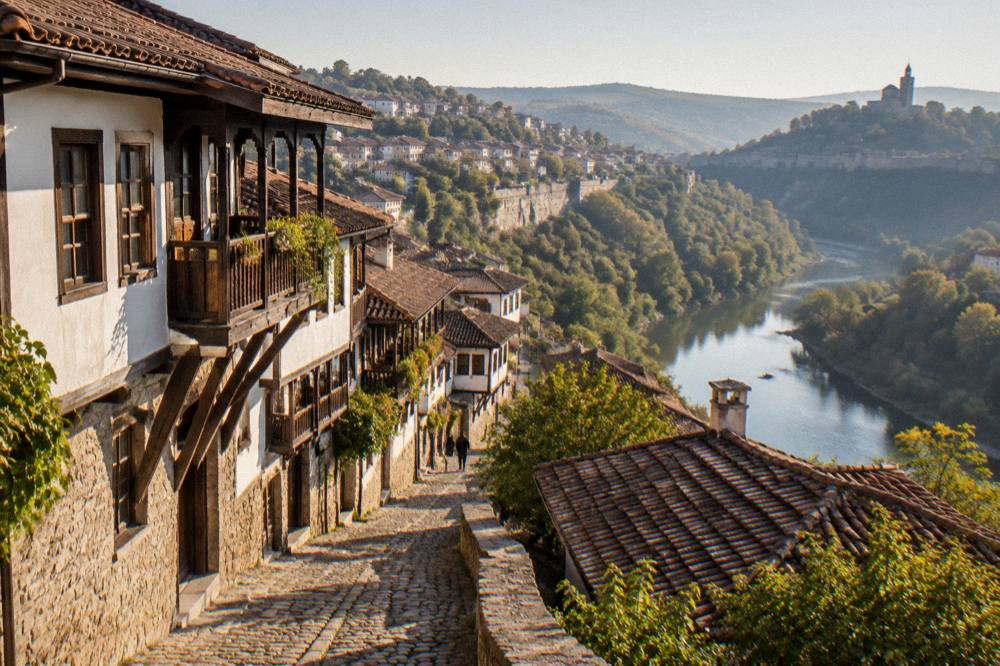
The choice, in the end, is between slope and plateau. A room in the centre or Varosha keeps the whole published sight list, the free evening show and the stations within walking distance of the door; a room below Tsarevets trades that for the fortress at the gate; and Arbanasi trades the city entirely for a village plateau from which the day trips and the monasteries fan out. Pick the base that matches how you plan to move, book the room with the tourist tax confirmed at the desk, and the hills will do the rest.